When it comes to removing unwanted hair in sensitive areas, the choice of suitable methods and products is of particular importance, as the skin in these areas is thinner and more prone to irritation. It is important to consider not only the effectiveness of the procedure but also its impact on skin comfort and health. Proper preparation for depilation, the use of special products for sensitive areas, and following aftercare recommendations will help reduce discomfort and achieve the desired result without negative consequences.
Peculiarities of skin in sensitive areas
The most sensitive areas of the body are considered to be:
- the bikini area;
- underarms;
- the face.
It is in these areas that the skin is thinner and has lower collagen density, which makes it vulnerable to mechanical stress. Furthermore, there is a large number of nerve endings in sensitive areas, which affects the pain threshold.
Also, the skin in these areas has a specific structure. For example, there are more sebaceous glands in the bikini and underarm areas, which increases the risk of clogged pores and ingrown hairs. The skin on the face is also prone to irritation and inflammation, so these factors should be taken into account when choosing a depilation method.
Depilation methods for sensitive areas
Waxing
Waxing is a popular method, but for sensitive areas, it is important to choose the appropriate type of wax and application technique. To minimize discomfort and the risk of complications, it is important to use warm wax rather than hot wax, as it does not cause irritation.
For sensitive areas, it is better to choose a wax heater with precise temperature control. Before the procedure, it is recommended to test the wax on a small area of skin to avoid allergic reactions.
Sugaring (sugar depilation)
Sugaring is a gentle and effective method, especially for sensitive areas. Thanks to its natural ingredients, sugar paste rarely irritates the skin and causes less discomfort.
The procedure involves applying the paste against hair growth and removing it along with the hair. This algorithm helps reduce the risk of ingrown hairs and minimizes discomfort. After sugaring, the skin looks smooth and irritation-free.
Preparation for depilation of sensitive areas
Before the procedure, it is important to thoroughly cleanse the skin in sensitive areas. This will effectively remove any impurities, cosmetic residue, or excess oil that could affect the effectiveness of the depilation and reduce the risk of irritation. To avoid additional irritation, use a mild cleanser that does not contain aggressive components.
After cleansing the skin, it is important to ensure it is moisturized. Apply a light moisturizing cream or gel that does not contain fragrances or alcohol. This will help prepare the skin for the procedure and reduce the likelihood of dryness and irritation. It is important not to use heavy or oily products that could affect the quality of the depilation.
To avoid potential allergic reactions before the main depilation procedure, especially if you are using a new product or method, it is recommended to conduct an allergy test. Apply a small amount of the product to a small area of skin and leave it on for 15–20 minutes. If no redness, itching, or other signs of irritation appear, you can safely use the product on the entire area being treated.
Post-depilation care
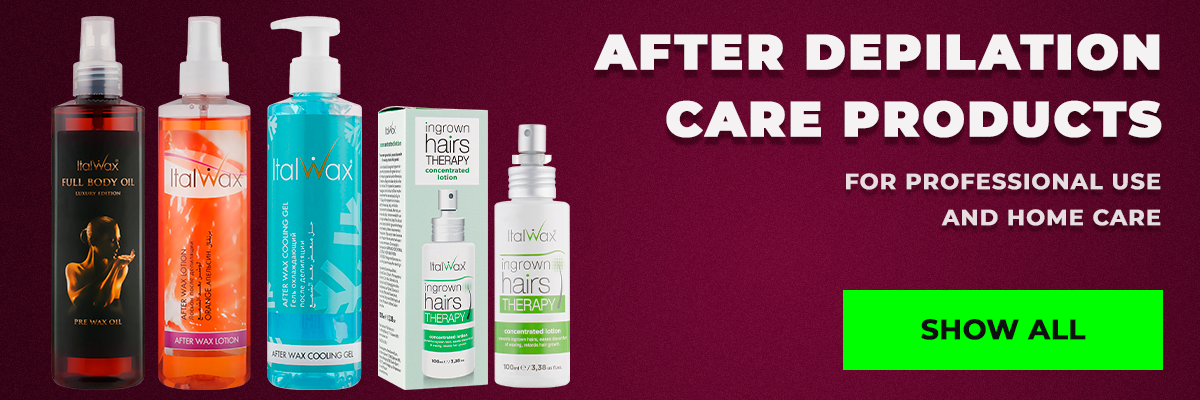
After depilation, the skin becomes sensitive and needs soothing care. Use special creams or gels containing soothing components. These products will help reduce redness, relieve irritation, and provide the skin with proper comfort. In addition, creams containing panthenol or hyaluronic acid will help moisturize and restore the skin.
To avoid additional irritation after depilation, several simple rules should be followed.
- Avoid wearing tight, synthetic clothing in the treated area for 24–48 hours.
- Refrain from active physical exertion and overheating, such as visiting saunas or taking hot baths.
- Avoid using aggressive cosmetic products, such as scrubs or lotions with alcohol, which can cause additional irritation.
- Quality hygiene is also important for maintaining skin health after depilation. After the procedure, you should use mild cleansers and avoid hot water so as not to dry out the skin. Regularly moisturize the skin to maintain its elasticity and prevent dryness. It is also important to monitor the cleanliness of the treated areas to avoid infections or inflammation.
Following these recommendations will help ensure a comfortable recovery process after depilation, reduce the risk of possible complications, and support the health of the skin in sensitive areas.