The initial purchase of materials is an important moment for every beginner technician. Beauty Hunter has collected all the necessary information that a nail technician needs to know to assemble their starter kit.
Article content:
Beginner nail technician — where to start
Workspace of a beginner nail technician
Palette for a beginner nail technician
Hygiene for the nail technician
A few tips for beginners in manicures from Beauty Hunter
The world of the nail industry attracts more and more newcomers, and it's no wonder, because the profession of a nail technician allows you to create beauty, develop creatively, and at the same time build a stable income.
But along with enthusiasm comes the main question: what does a beginner nail technician need to get started? To ensure your first steps are confident, it is important not only to choose quality materials but also to understand how to properly organize your workspace. You also need to decide which tools to purchase and how to build your professional development.
Beginner nail technician — where to start
The very first thing you should start with is training. A good basic course will give you an understanding of nail anatomy, techniques for working with tools and materials, as well as rules of hygiene and sterilization. Even if it seems that YouTube video tutorials are enough, in-person training with an experienced educator will help you avoid mistakes that could cost you your reputation in the future.
After the courses, it's time for practice. It is best not to limit yourself to doing manicures on yourself. Work with friends, relatives, and invite models. The more different types of nails pass through your hands, the faster your confidence and speed will appear.
Don't be afraid to try different materials in practice:
-
gels;
-
poly-gels;
-
acryl-gels.
Every technician eventually develops their own "favorites," but at the start, it is useful to feel the difference and understand exactly what is more comfortable for you to work with.
For those who want to move faster, it is useful to get a job in a beauty salon. Even if it starts as work with basic materials, the experience with real clients will give you what you lack during independent practice.
Workspace of a beginner nail technician
To feel like a professional, it is important to properly set up your workspace. At the start, it is not at all necessary to buy everything at once, but there are several basic things without which work will be difficult.
If you are practicing at home, choose a comfortable table with a lamp and a dust collector — this will allow you to work comfortably and safely. At first, it is quite feasible to take clients at your place, but in the future, it is better to consider renting a space in a salon. There, you will be able to not only work in a professional environment but also gain experience from colleagues.
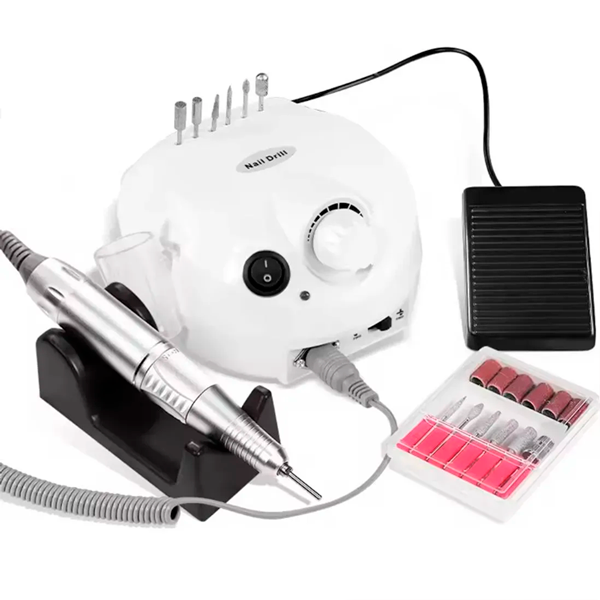
Some studios provide beginner technicians with tools and consumables, but most often you are required to have your own. This is a good incentive to assemble a minimal but high-quality kit: from an e-file and drill bits to base and top coats.
Tools for the technician
The first step toward professional work is a properly selected set of tools. It determines how comfortable it will be to work and what the result will be. For those who are just taking their first steps in the profession, it is important to understand: everything for a beginner nail technician must be high-quality and safe.
A basic kit usually includes:
-
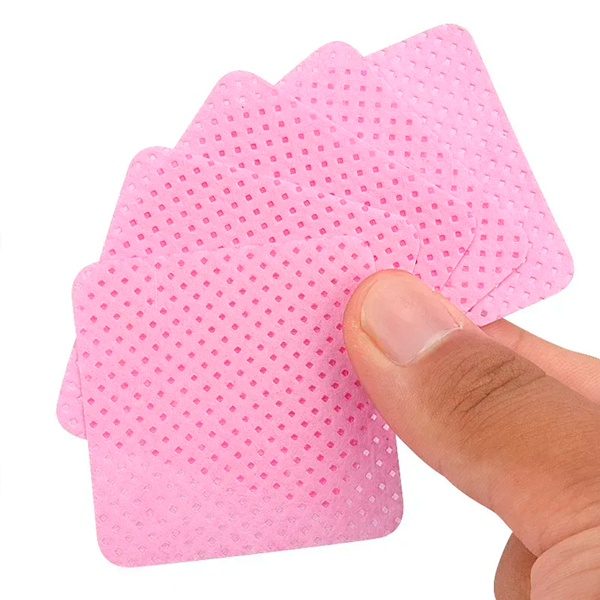
lint-free wipes, which help clean the nail plate from dust and residue;
-
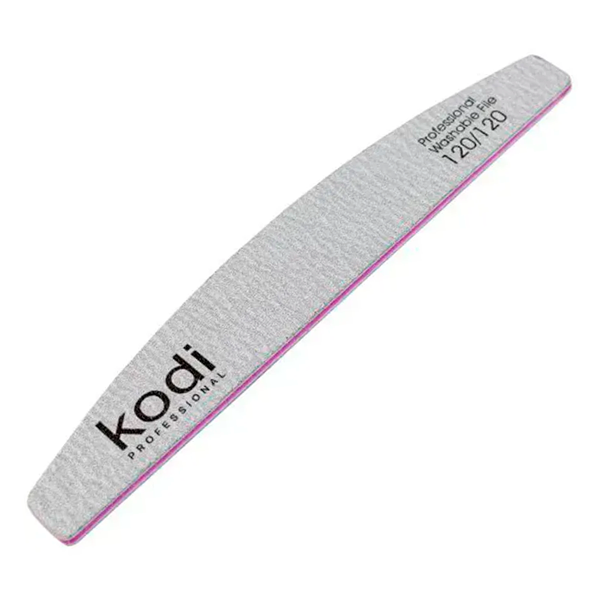
buffers and files for shaping;
-
primer for neat work even on thin and weakened nails;
-
dehydrator/cleanser, which ensures good adhesion of the material to the nail;
-
disposable gloves to protect the hands of both the master and the client;
-
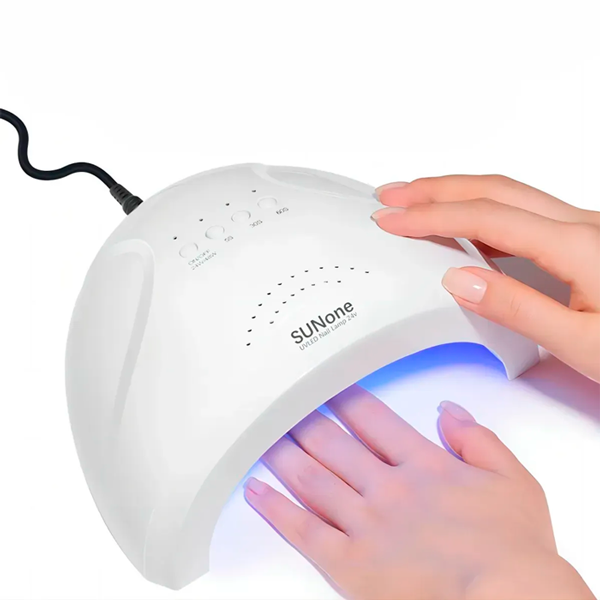
a hybrid or UV lamp for safe and fast polymerization;
-
an e-file (drill) (especially useful if you plan to work in a salon and perform hardware manicures);
-
tools for removal: a pusher, gel polish remover, foil.
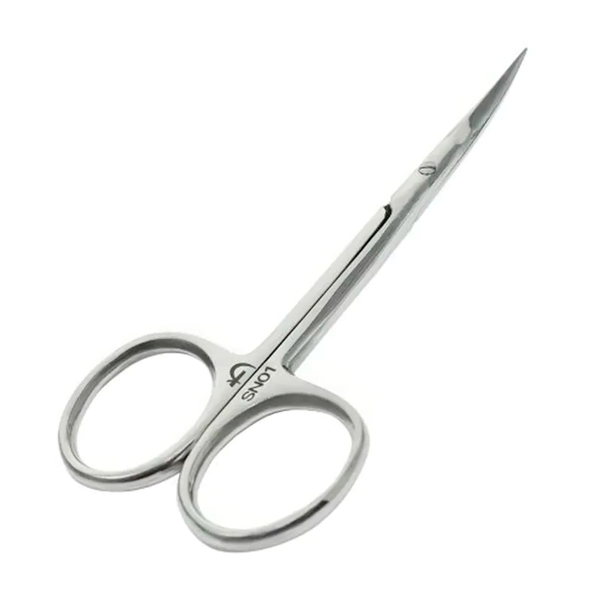
A tip for a beginner: it is better to immediately purchase two sets of nippers and scissors. While one is undergoing sterilization in the dry heat sterilizer, the other will be ready for work. This not only speeds up the process but also demonstrates your responsibility to clients. And files should be disposable — this increases trust and convenience.
Materials for work
If tools are a technician's hands, then materials can be called their "paints." The durability and appearance of the coating depend on their quality. And here it is important to correctly select everything that a beginner nail technician needs so that every procedure goes smoothly.
The minimum kit includes:
Base coat. The choice of this product depends on the goals and the condition of the client's nails. Rubber base coats provide extra strength and flexibility, which is especially important for weak and brittle nails. Camouflage base coats are suitable for creating a neat nude manicure without extra layers, simultaneously leveling the nail surface and hiding small defects. Experts advise having several shades of bases to match the client's skin tone and the type of desired result.
Gel polish. The main material for most modern masters. Today, the market offers a huge assortment: from budget options for practice to premium ones with high durability and rich pigmentation. For a beginner, it is important to test several brands and consistencies to understand which product applies better, does not run, and is convenient to work with on clients. Also, consider seasonal and trendy shades to satisfy different client preferences.
Top coat. Performs several functions simultaneously: fixes the gel polish, gives a finished look, and protects the pigment from fading. Top coats can be glossy, matte, with glitter, or with a "silk" effect. For a beginner, it is useful to have at least one glossy and one matte top coat to experiment with designs and show clients various options.
Cuticle oil. This is not just a decorative element, but an important care product. It softens the cuticle, prevents hangnails, nourishes the skin, and helps keep the manicure looking neater for longer. Experts recommend using oil after every procedure, including express manicures, to emphasize your care for the health of the nails and skin.
Primer and dehydrator. The key to long-wearing coating. A primer ensures reliable adhesion of the gel polish to the nail plate, especially when working with thin or problematic nails. A dehydrator removes dust and oil residues, creating a clean surface for applying the base coat. It is important for a beginner not to skip this stage, as the longevity of the manicure depends directly on it.
Antiseptic. An indispensable element of hygiene. It is used to treat the hands of the master and the client before the procedure and prevents the spread of bacteria and viruses. For a beginner, it is important to choose an antiseptic with moisturizing components so that the skin does not dry out from frequent use.
Such a kit is the base that will allow you to perform a classic coating and start practicing. Over time, you will be able to expand your palette and select materials according to your style, but this minimum ensures full-fledged work from your very first clients.
Palette for a beginner nail technician
You don't need to buy hundreds of shades to start. The palette of a beginner nail technician should be minimal but universal. There are several "must-have" colors that are always in demand:
-
white and black — basic classics for designs and French manicures;
-
red and several of its variations — from bright scarlet to deep wine;
-
nude tones and pastels — beige, pink, light blue, lavender.
This is the base that is enough to satisfy initial client requests. But you should also consider seasonality. In summer, warm shades are popular:
-
yellow;
-
coral;
-
orange.
In autumn, more reserved deep tones are popular:
-
burgundy;
-
emerald;
-
chocolate.
On average, 10–12 colors in the palette is a good start for work.
Workplace organization
Even the most talented beginner nail technician will not be able to work effectively if their workspace is uncomfortably organized. If you are renting a space in a salon, part of the setup is already done, but at home, you will have to think everything through on your own.
What is important to consider:
-
The table and chair should be comfortable in height. This will save your back and hands during long work sessions.
-
Lighting. The key to a quality manicure. It is better to use cold-light lamps that are as close to daylight as possible.
-
Table organization. A clean and tidy space creates a sense of professionalism and builds client trust.
Don't forget that the technician profession involves sedentary work. Health care and proper ergonomics are an investment in your career.
Hygiene for the nail technician
A question that is not up for discussion is safety. Here, not only the quality of materials matters, but also hygiene. Everything for a beginner's manicure kit should include not only tools and gels but also protective equipment.
The minimum you need to remember:
-
A face mask. Protects against dust and odor during filing.
-
Disinfection and sterilization of tools. A mandatory step after every client. For this, solutions are used, followed by a dry heat sterilizer or autoclave.
-
Disposable consumables: files, buffers, wipes. Reusing them is unacceptable.
-
Workplace cleanliness. Wipe the surface with an antiseptic after every client.
Hygiene is not only about caring for health but also an indicator of professionalism. Clients appreciate technicians who pay attention to safety.
A few tips for beginners in manicures from Beauty Hunter
The work of a beginner nail technician is not just about technique and materials, but also about your personal attitude toward the profession. The first thing to remember: be friendly and polite to clients. Friendliness and a smile make the atmosphere comfortable and encourage repeat visits.
Proper time management is the key to productivity. Do not chase the number of clients: it is better to perform work qualitatively and comfortably than to constantly work in stress mode. Do not forget to give yourself rest so that your hands and eyes do not get tired.
Your appearance also matters. Clean clothes, a neat manicure, and light makeup create a professional impression and increase client trust.
Patience is one of the most important traits. Many come for a manicure not only for beauty but also to share their impressions or discuss important topics. You don't have to engage in every conversation — you can always politely switch back to work, leaving the client space to talk.
Create your portfolio to demonstrate your work results, but don't forget to ask clients for permission to take photos. This is a sign of respect and professionalism.
Never skimp on materials and tools. The result of your work and the client's impression depend directly on their quality. At the start, you will have to invest significant funds: basic collections of gel polishes, primers, base and top coats, polymerization lamps, tools, correction devices — all this costs money, but it pays off in time and experience. Prepare for financial investments in advance so that your start is confident.
Following these rules will help a beginner not only master the profession faster but also build client trust, develop in the chosen niche, and enjoy their work.