You often ask us how to make your procedures sterile and safe for both your client and yourself. We’ve prepared a detailed guide on the rules of disinfection and sterilization of eyebrow tweezers — this is basic information that every brow artist simply must know!
Hello Beauty Hunters!
You often ask us how to make your procedures sterile and safe for both your client and yourself. Today we’ve prepared a detailed guide on the rules of disinfection and sterilization of eyebrow tweezers — this is essential knowledge every brow artist must have! Grab a notebook, a pen (or take notes on your smartphone) and let’s dive in.
How to properly sterilize tweezers and brow tools?
Brow artists often wonder whether they need to sterilize eyebrow tweezers, since, unlike manicure, brow correction seems like a simple and non-traumatic procedure.
According to state sanitary standards and regulations: if a tool, even hypothetically, can damage the skin and come into contact with biological materials and fluids (skin, hair, blood, etc.), it must be disinfected and sterilized!
To ensure that brow correction procedures are safe according to sanitary standards, your tools must go through several stages of processing:
- Disinfection;
- Pre-sterilization cleaning;
- Sterilization (thermal or chemical/cold sterilization);
- Proper storage of sterile instruments.
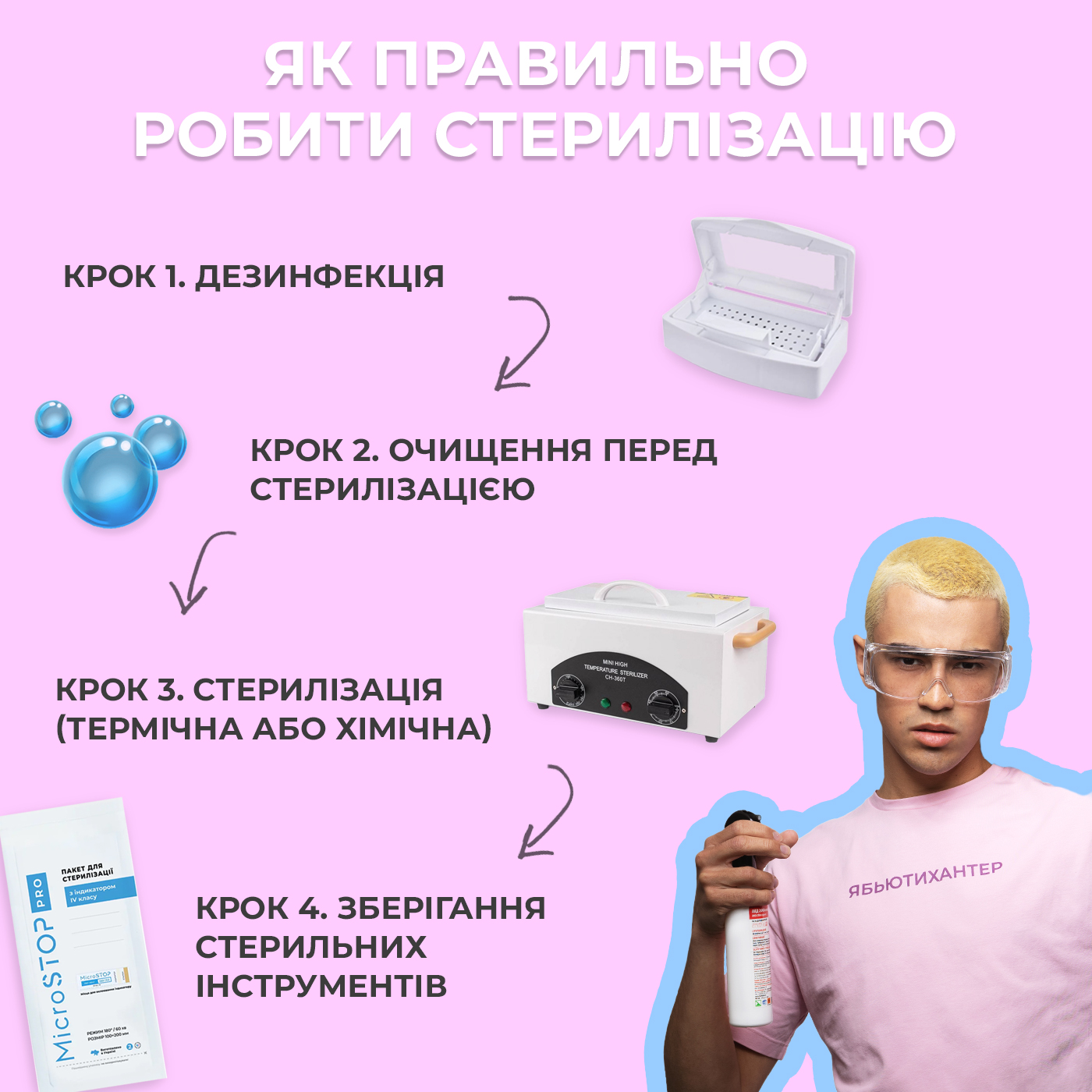
Yes, disinfection and sterilization are completely different concepts, despite having the same goal — treating tools.
Disinfection is the basic treatment of tools from pathogenic and условно pathogenic microorganisms; it does not make the tool sterile, it simply removes the most common “germs.”
Only full sterilization destroys all possible bacteria, viruses, and microorganisms, making your tools 100% safe.
Disinfection of eyebrow tweezers
The first stage of tool processing is disinfection. It is carried out immediately after using the tool. All used tools are placed in a container with a special disinfectant solution. It’s important not to rinse or clean the tweezers beforehand to avoid spreading contamination over a larger area.
Such disinfecting liquids can be ready-to-use or in concentrate form, which must be diluted with water in a specific ratio.
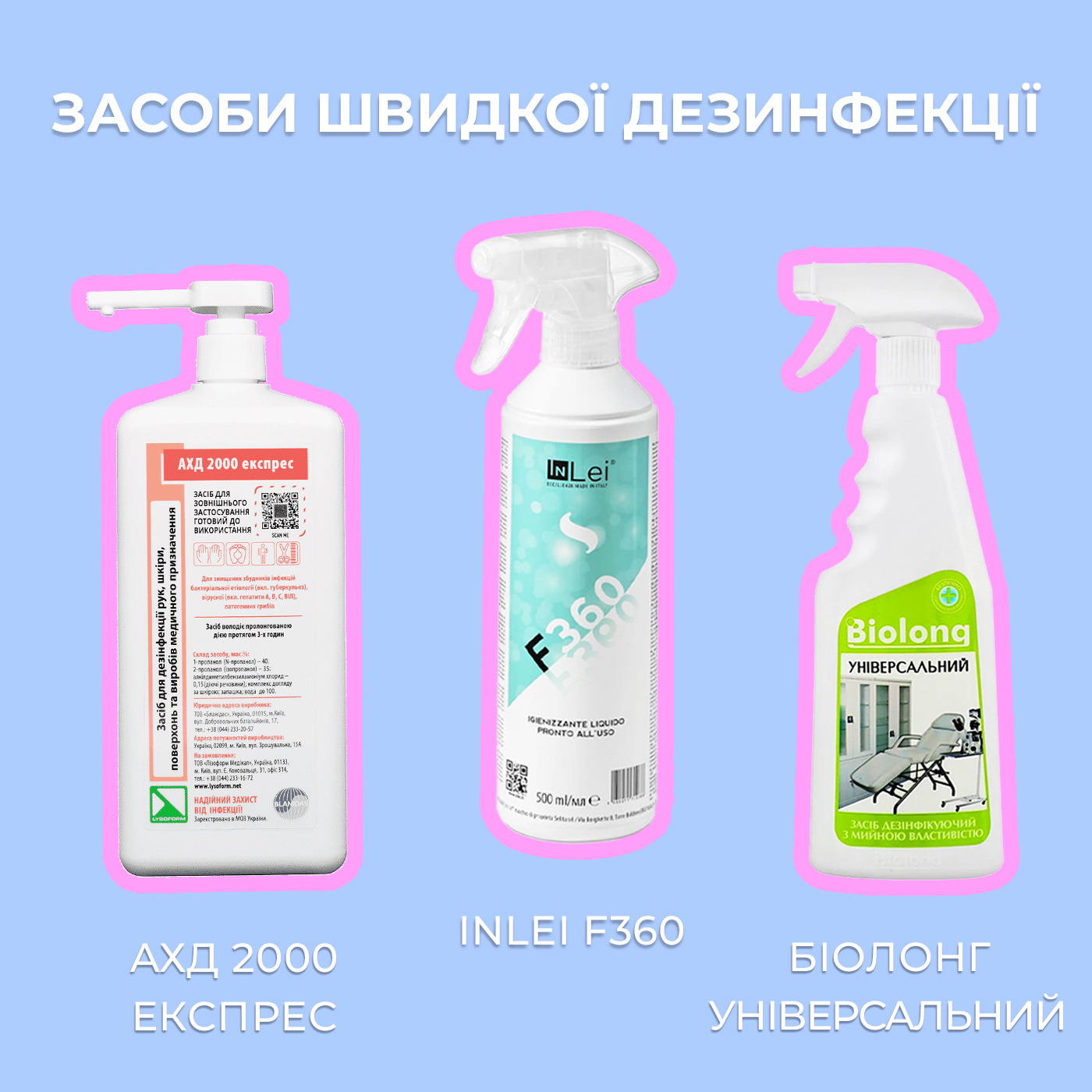
Among ready-to-use products for quick disinfection:
- AHD 2000 Express,
- InLei F360 ready-to-use liquid disinfectant,
- Biolong universal.
Usage may vary: soaking tools in the solution or spraying until fully wet; exposure time from 10–15 seconds up to 1 minute. We recommend following the instructions on the product label.
Disinfection concentrates:
- Surfanios Lemon Fresh;
- Blanidas Active Enzyme;
- Bacillol.
These disinfectants must be diluted with water according to the specified proportions (usually a table with solution concentrations is provided on each product). For quick disinfection, a 0.5% solution is commonly used. Tweezers and other tools are soaked in the solution for 15–60 seconds (follow the instructions on the packaging).
Cleaning tweezers and tools before sterilization
After quick disinfection, tweezers must go through a pre-sterilization cleaning stage. They should be thoroughly rinsed under running water (1–3 minutes is enough) and all contaminants removed. This step also has another important purpose — removing aggressive chemicals that could damage the coating of the tweezers if not washed off properly.
Sterilization of tweezers and brow tools
The most important and final stage is sterilization of tweezers and tools.
Here we encounter two methods: thermal sterilization and chemical (cold) sterilization. Each has its own advantages.
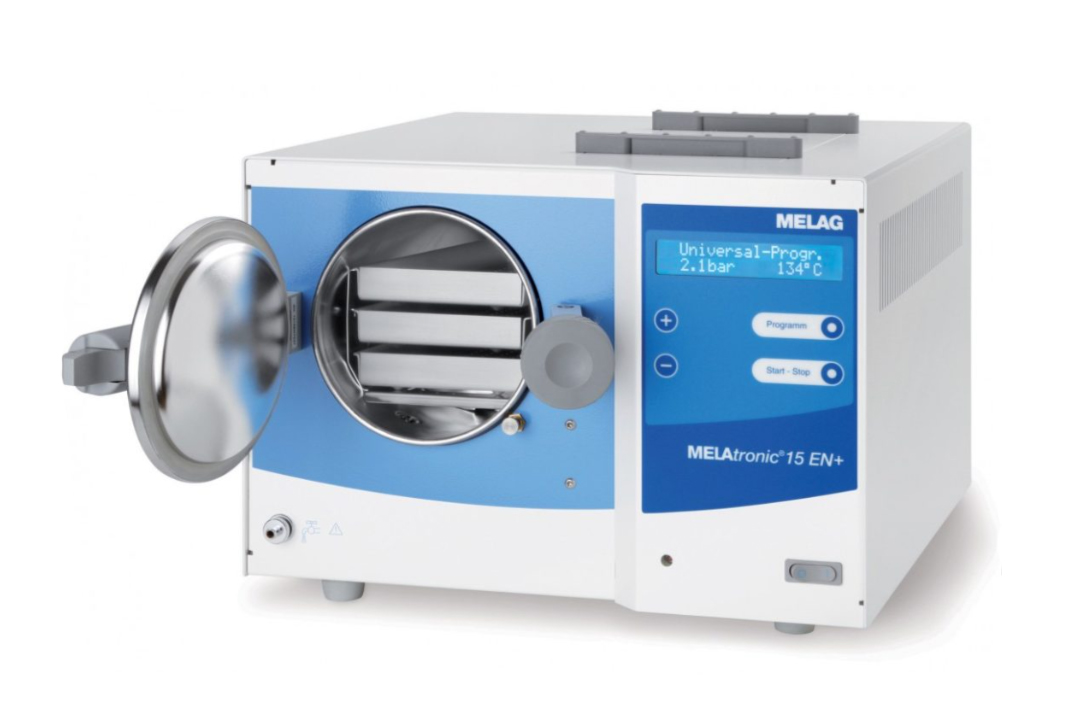
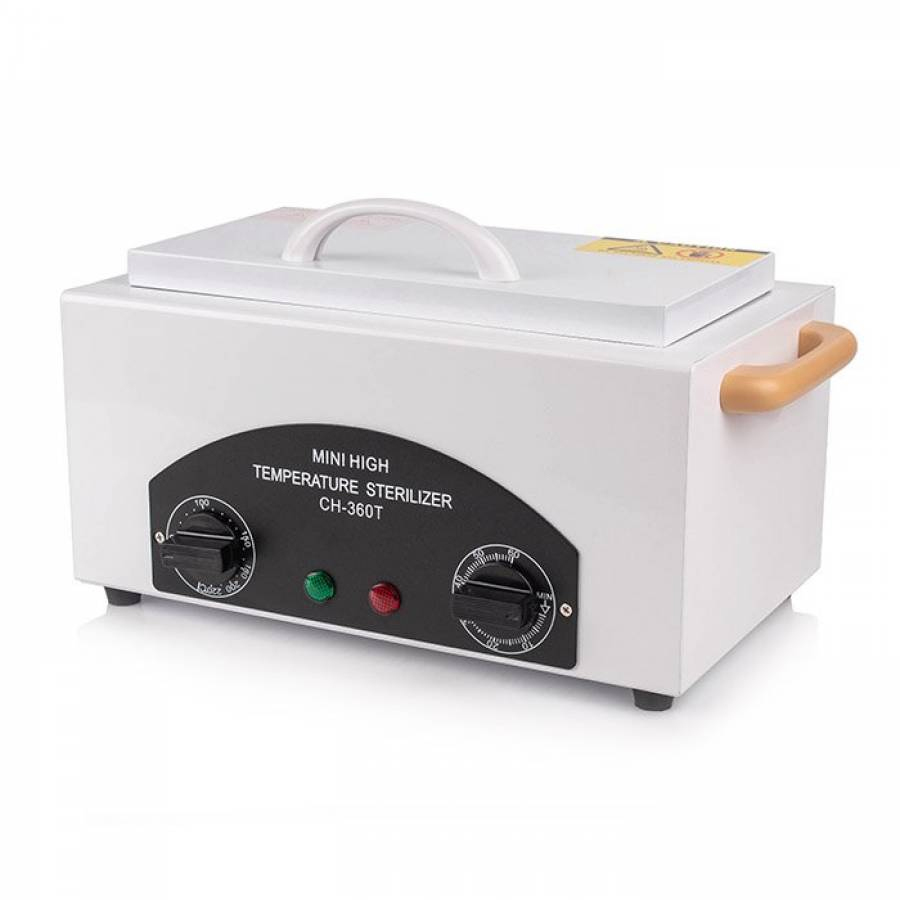
For thermal sterilization, devices such as a dry heat sterilizer or an autoclave are used. They differ in how they work: dry heat uses high temperatures, while an autoclave uses steam under pressure.
It’s important to remember that before thermal sterilization, tools must be completely dry and sealed in a kraft pouch.
Chemical sterilization, also known as cold sterilization, involves treating tools in a special chemical solution. For this, concentrated solutions are used — the same ones as for disinfection, but at a higher concentration. For sterilization, solutions of 2.5%–5% are used.
Reminder: Surfanios Lemon Fresh, Blanidas Active Enzyme, and Bacillol.
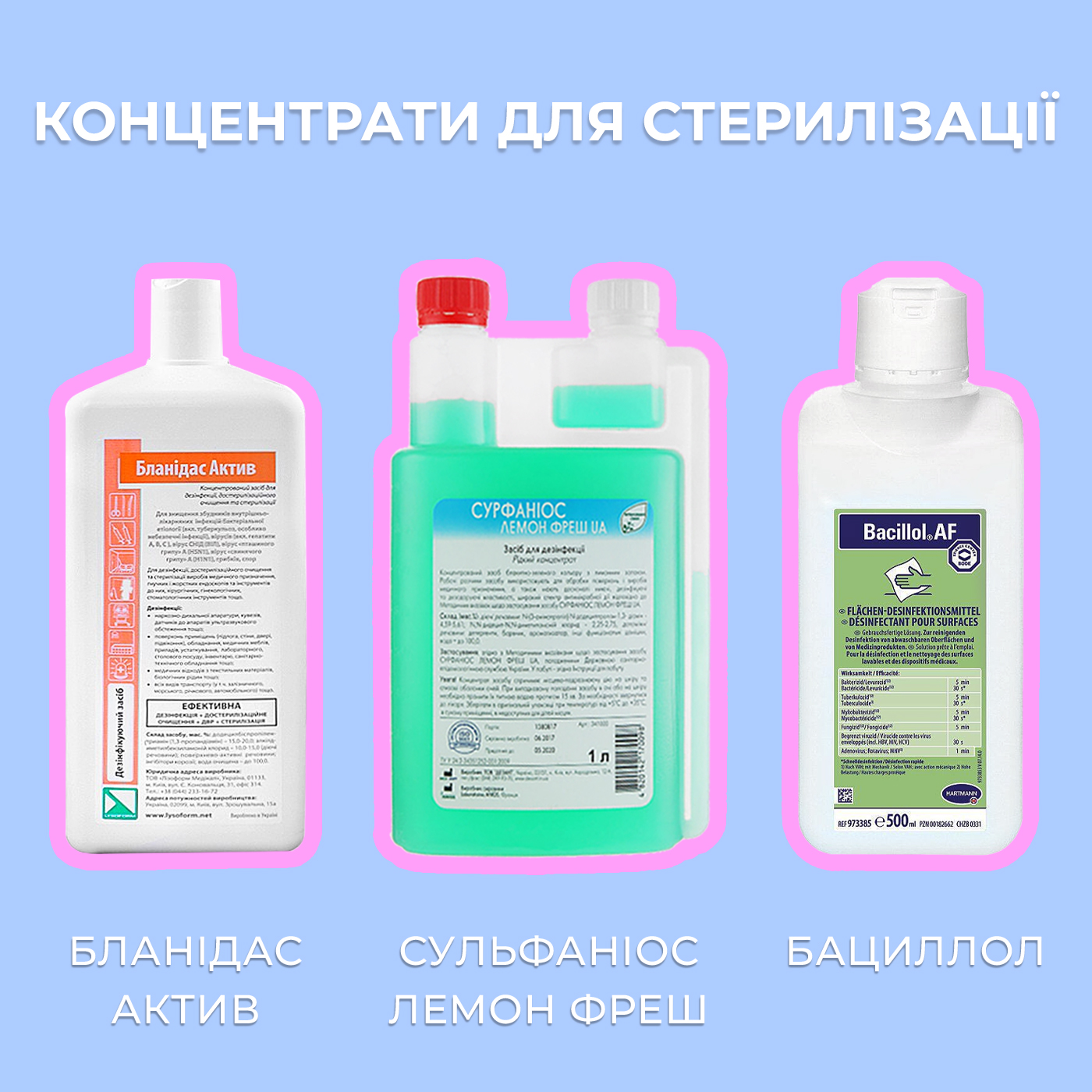
Surfanios Lemon Fresh contains anti-corrosion additives, so it won’t damage the coating of your tweezers. Blanidas and Bacillol don’t have such additives, but you will rinse tools after sterilization anyway — just don’t leave them in the solution for too long.
Exposure time is usually indicated on the packaging and depends on the solution concentration. On average: 15 minutes for a 5% solution and 30 minutes for a 2.5% solution.
These solutions are reusable and can typically be used for up to 14 days, after which a new solution should be prepared.
Always rinse tweezers after chemical sterilization!
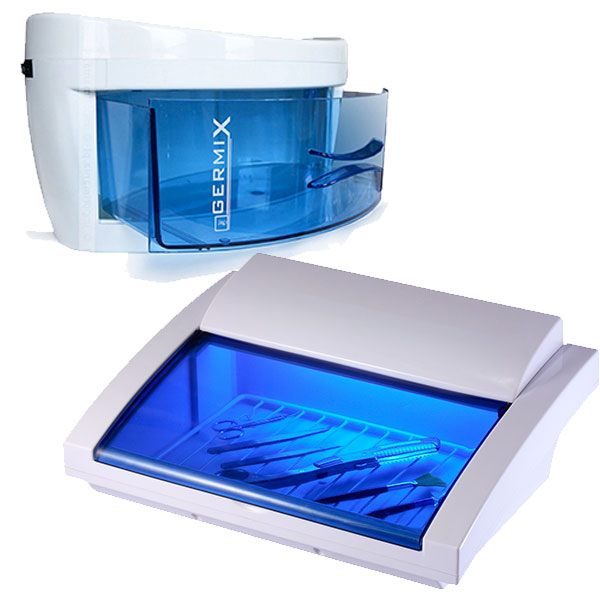
An important final step is storing sterile tools. The ideal option is under a UV lamp in a sealed kraft pouch. A basic option is storing them in a sealed kraft pouch, which you can open in front of the client — a nice bonus for their trust and impression of you.

Which sterilization method should a brow artist choose?
Now let’s look at the pros and cons of each method.
The key point — both sterilize equally thoroughly!
Thermal sterilization requires purchasing quite expensive equipment (dry heat sterilizers start from around 1000 UAH and up, autoclaves are even more expensive), which can be a drawback for beginners.
Also, if your tweezers have a colored coating, high temperatures may negatively affect their appearance.
Experienced мастера also note that frequent dry heat sterilization dulls tools faster, requiring more frequent sharpening.
Due to high-temperature processing, more time is needed both for sterilization and cooling, so you’ll need a second set of tools — especially if you have a busy schedule.
In general, having multiple tool sets is a sign of professionalism and a responsible attitude toward safety and proper sterilization.
That’s why most brow artists prefer chemical (cold) sterilization. It’s faster, easier, and doesn’t require expensive equipment. Plus, you can use one product for both disinfection and sterilization by adjusting the concentration. For beginners, this is an ideal option.
Recommendations for sterilizing eyebrow tweezers
- Have several sets of tweezers. While you’re using one, the other is being sterilized. Especially important for busy schedules.
- All tools must go through all three stages of sterilization and be stored properly.
- Proper sterilization looks like this: quick disinfection in a special solution → pre-sterilization cleaning → sterilization (thermal or chemical) → storage in a sealed kraft pouch or UV cabinet.
- Chemical cold sterilization is a more convenient, fast, and cost-effective method for brow artists.
- Do not leave tools in chemical solutions for too long — longer doesn’t mean better. Leaving tweezers for a day won’t make them more sterile, but can ruin them.
- Do not neglect disinfection and sterilization rules — they guarantee safety for both you and your client.
- Always read and follow the instructions when using disinfectants.
- Don’t forget to disinfect not only tools but also your hands and work surfaces before each client.
That’s all for now. We hope we’ve answered all your questions and now you know how to properly sterilize eyebrow tweezers. And remember — brow artists who follow Beauty Hunter recommendations enjoy good karma, a full schedule, and a достойный income. So don’t forget to join the Beauty Hunter Discount Club loyalty program — and may the brow force be with you.