Sculptor dye is one of the most popular professional dyes for brow artists. In this blog, you will find an overview of the dye's color theory, the most popular commercial mixes, and all the specifics of working with brow dye from Sculptor.
Article content:
Overview of Sculptor Lash brow dye
Color palette and color theory of Sculptor Lash dye
Perfect mixes for brow tinting with Sculptor dye
How to perform tinting with Sculptor dye?
Greetings to brow industry professionals!
An essential part of a brow artist's work is regular testing and selection of materials, including brow dyes.
Brow dye from the Sculptor brand is currently one of the most sought-after among professional artists. In this blog, you will find a full overview of the dye's color theory, the most popular commercial mixes, and all the specifics of working with brow dye from Sculptor.
Overview of Sculptor brow dye
Sculptor is a Ukrainian brand for brow artists, lamination experts, and lash makers that has long captured the attention of professionals thanks to quality materials and excellent work results.
EYELASH GEL TINT is a professional gel brow dye created for predictable, clear, and long-lasting tinting. The formula ensures an even stain, works with a 3% developer, has a processing time of 10-15 minutes, and maintains a saturated shade for up to 6 weeks. It contains silk hydrolysates, keratin, cotton seed, and bamboo shoot extract — for conditioning and strengthening hairs during tinting.
Color palette and color theory of Sculptor dye
The dye is available in four basic shades:
- Light Brown — a light warm shade for blondes and clients with light skin tones;
- Graphite — an asphalt tone for cold mixes or neutralizing unwanted warmth;
- Warm Brown — a warm medium brown, ideal for redheads and warm brown-haired clients;
- Dark Brown — a saturated dark color for dark-haired and brunette clients.
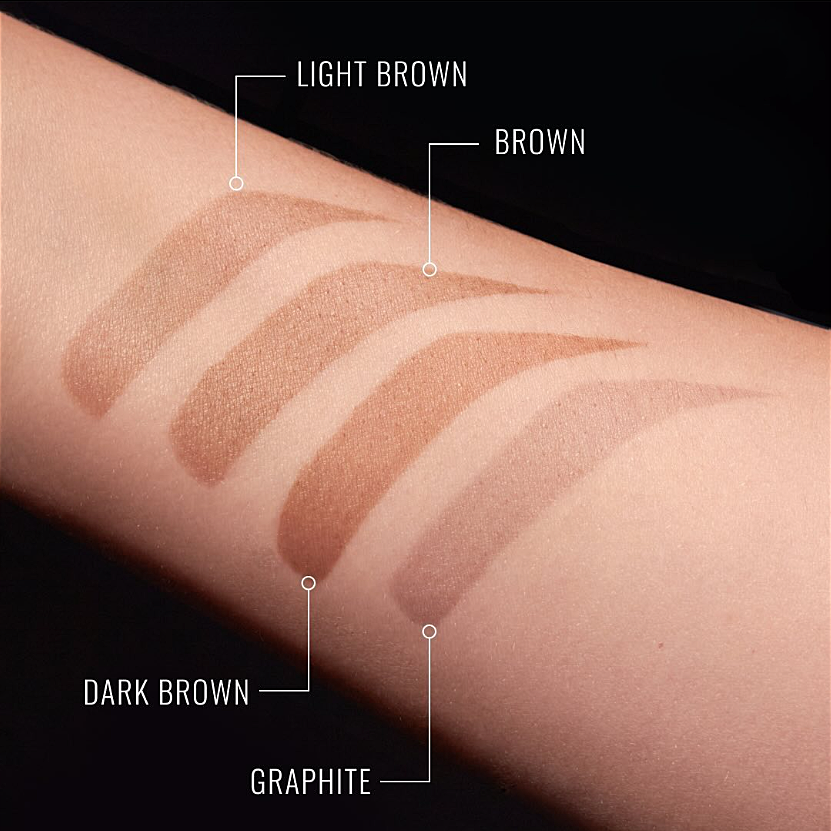
By combining shades, you can achieve an individual color for any type of appearance, considering tone depth, undertone temperature, and hair porosity.
The Graphite shade plays a key role in color correction — it cools down mixes, evens out the result, and helps avoid yellowness or excessive warmth.
Perfect mixes for brow tinting with Sculptor dye
Here are ready-made recipes for perfect combinations of Sculptor dye shades for commercial work with clients.
Perfect Sculptor dye mixes for blondes:
- 100% Light Brown
- Light Brown + Graphite (90/10)
- Light Brown + Graphite (70/30)
- Light Brown + Warm Brown (90/10)
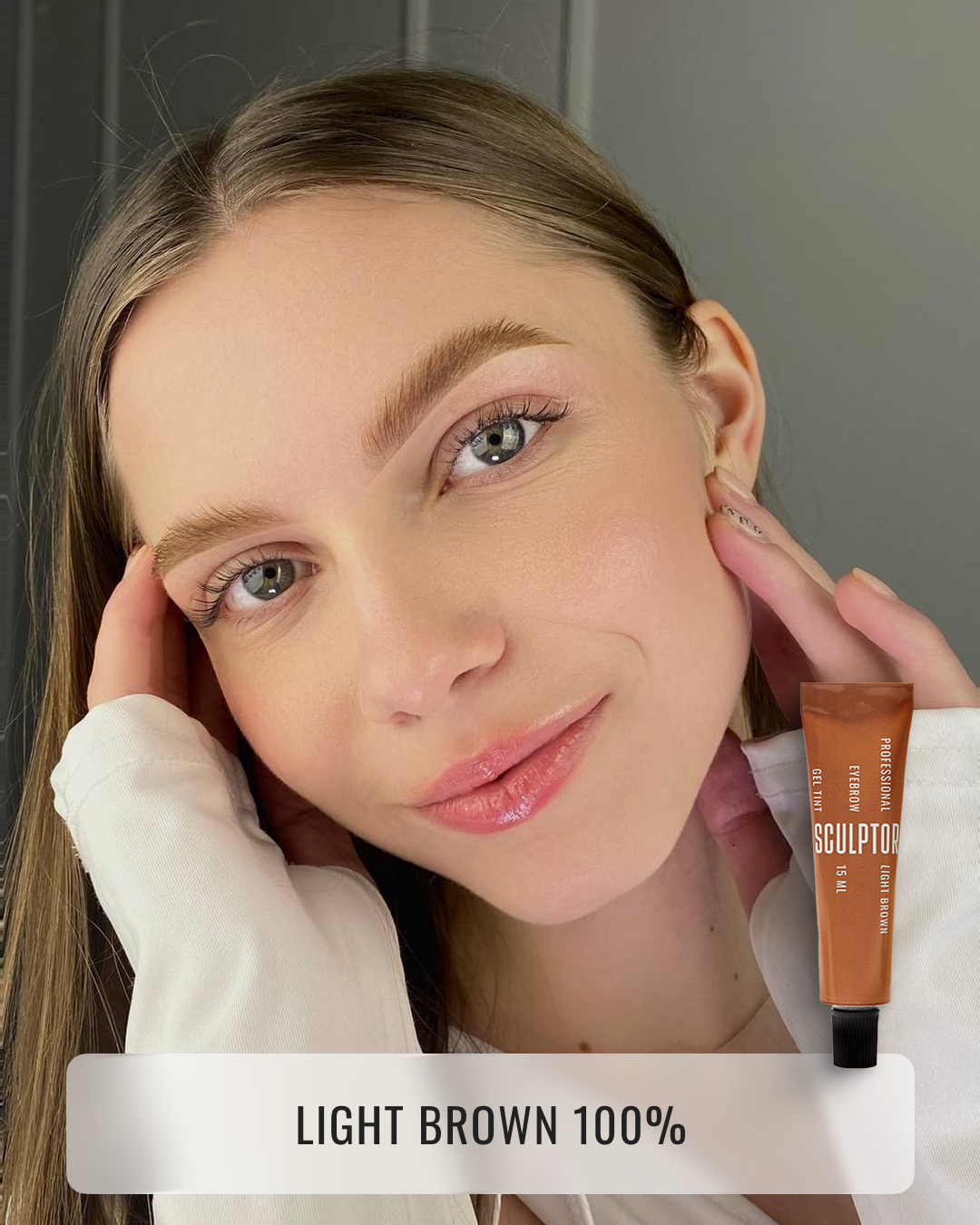
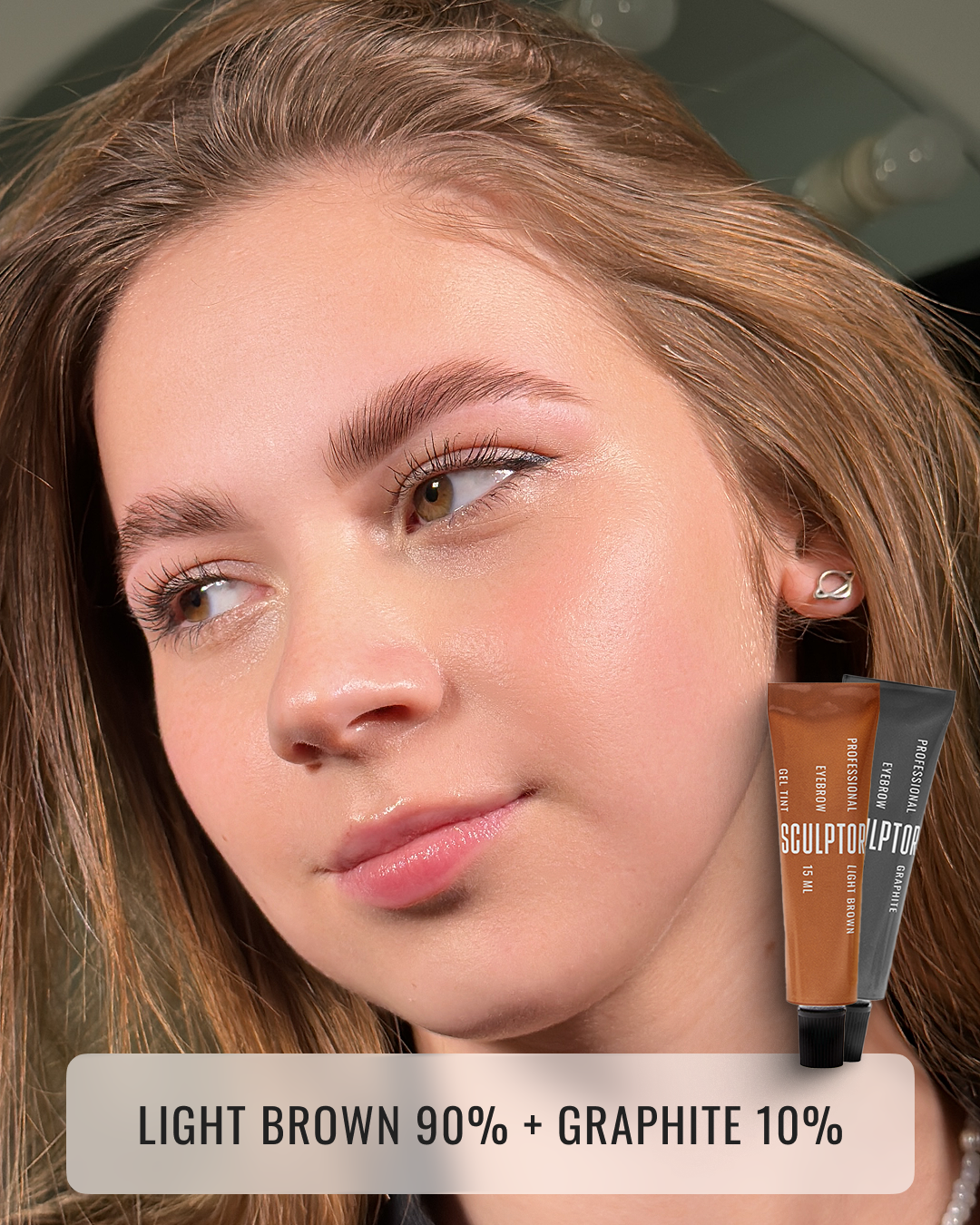
Perfect Sculptor dye mixes for brown-haired clients:
- Light Brown + Dark Brown (70/30)
- Light Brown + Dark Brown (50/50)
- Warm Brown + Dark Brown (60/40)
Perfect Sculptor dye mixes for brunettes:
- Dark Brown 100%
- Dark Brown + Graphite (90/10)
- Dark Brown + Graphite (50/50)
- Graphite 100%
Perfect Sculptor dye mixes for red shades:
- Light Brown 100%
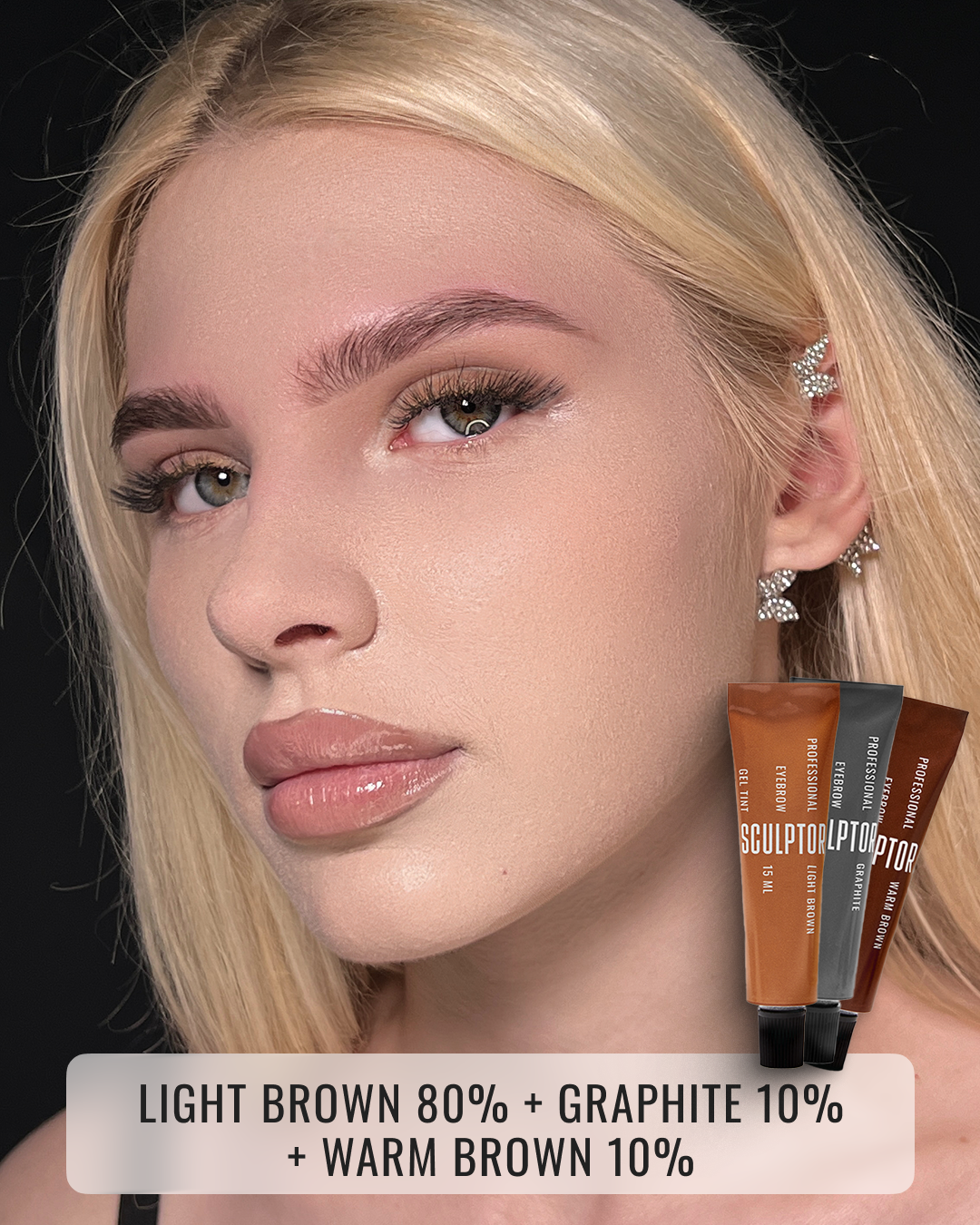
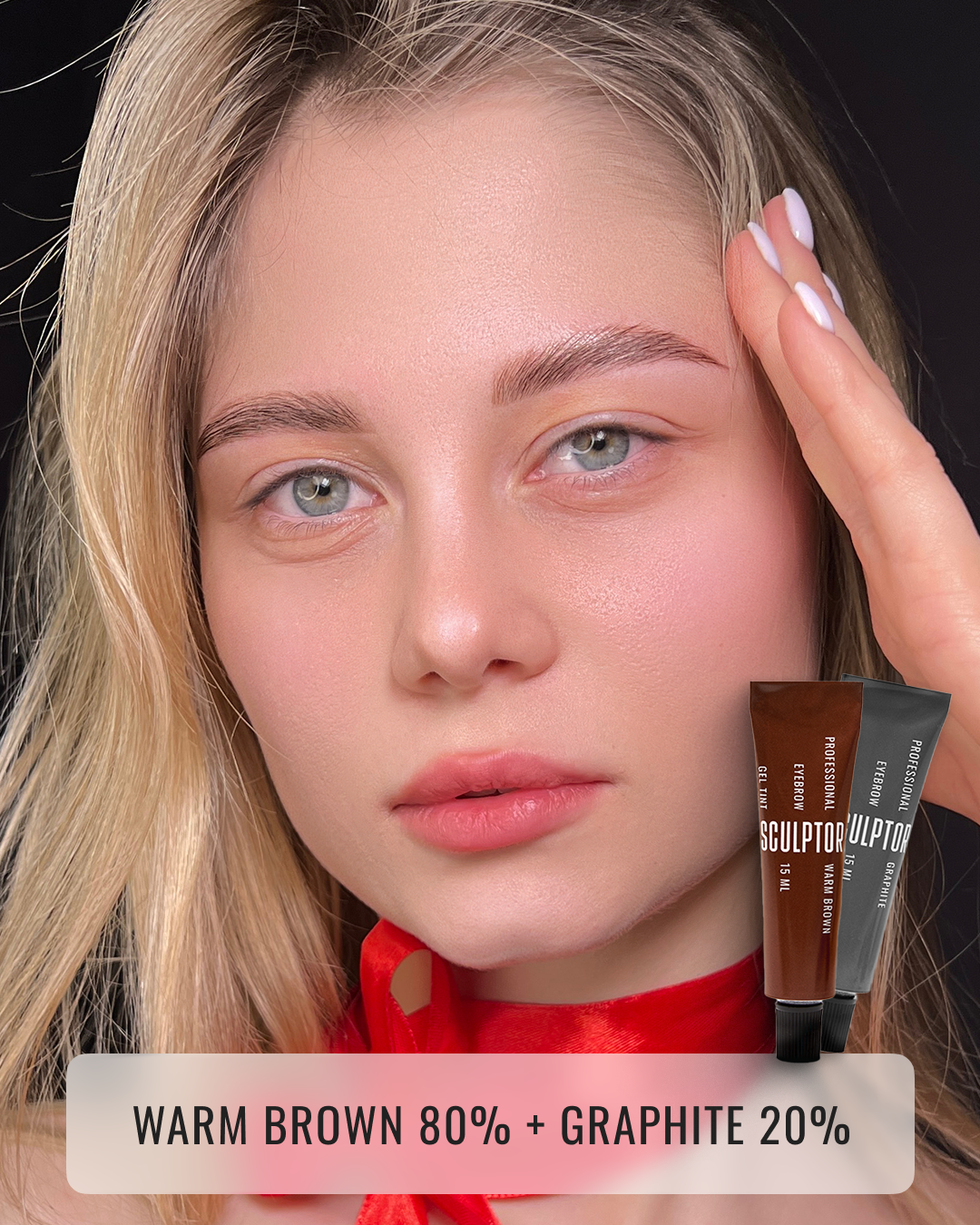
- Warm Brown + Light Brown (80/20)
- Warm Brown + Dark Brown (70/30)
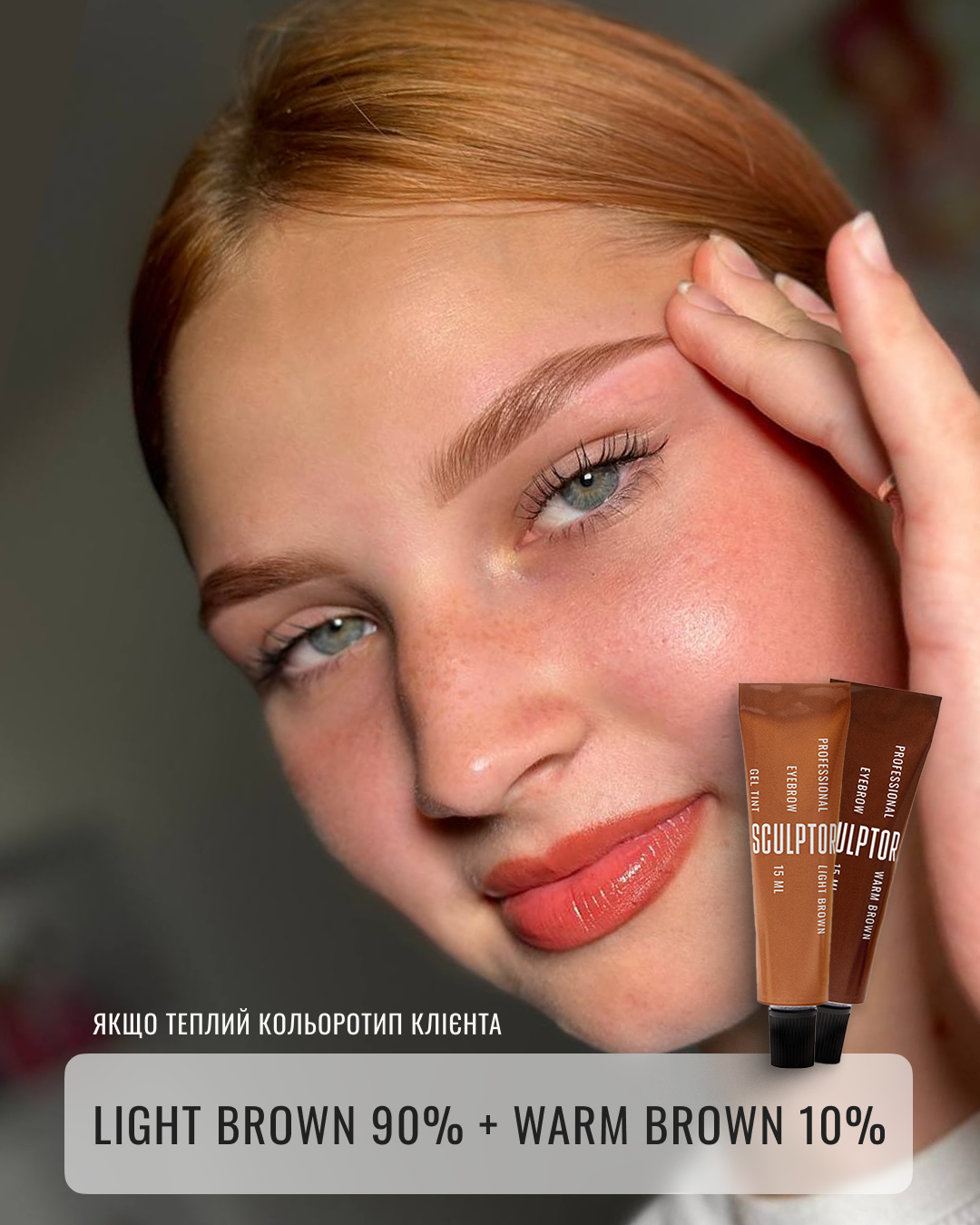
Here are a few more cool client mixes
How to perform tinting with Sculptor dye?
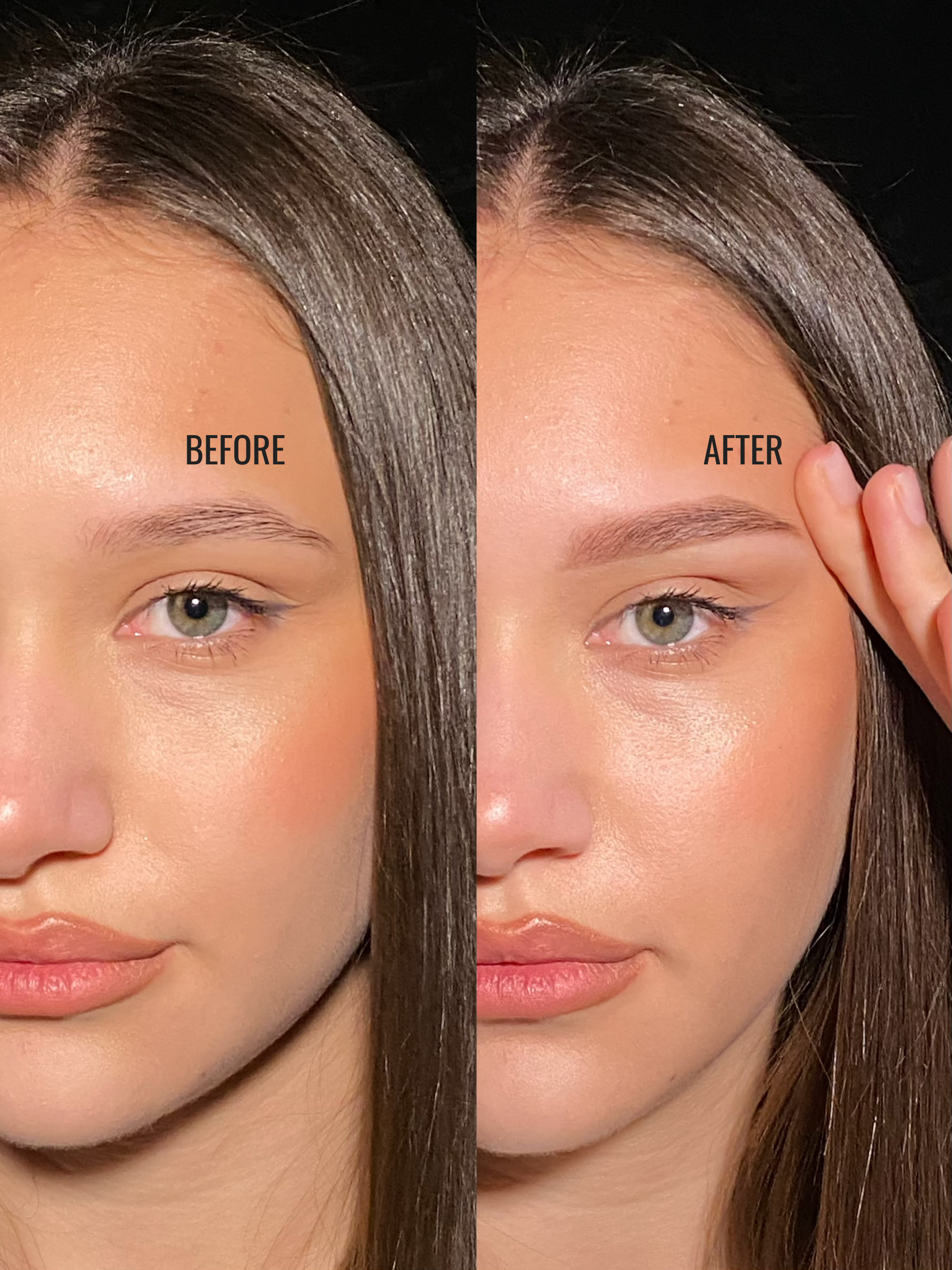
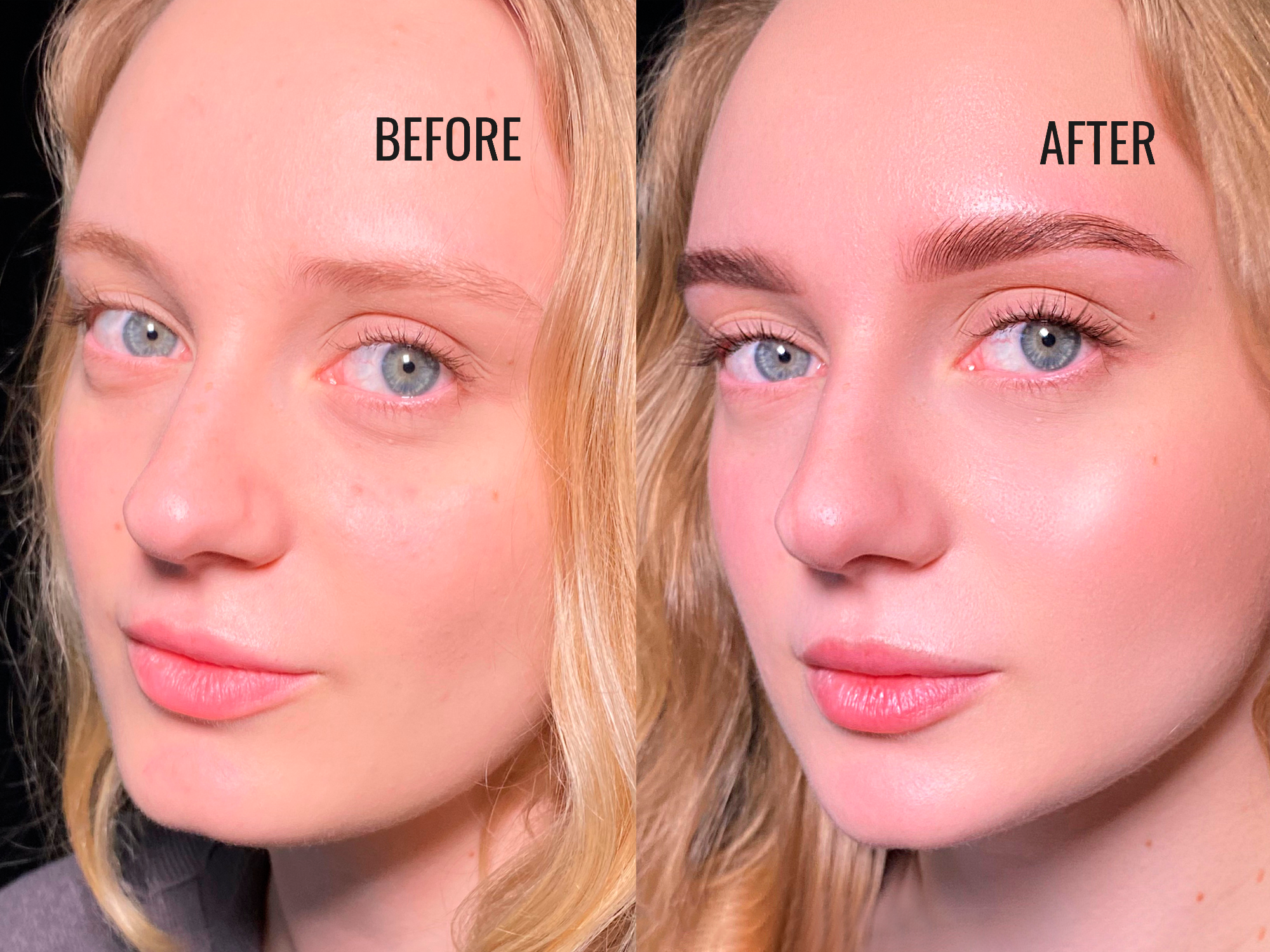
Sculptor brow dye is very simple to use, and by knowing some additional application possibilities, you can satisfy any client request.
The dye is mixed with 3% Sculptor developer in the following proportions:
- 1:1 — standard tinting with a clear stain;
- 1:1.5 or 1:2 — for porous hair or a soft effect;
- 40% dye + 60% developer — for a clear but clean result with less pigmentation.
The choice of proportion depends on the desired effect, hair density, and tone depth level. For porous or bleached hair, it is recommended to increase the amount of developer to avoid darkening.
In difficult cases (high porosity, warm residual tones, mixed tinting), it is worth testing the mix on a small area.
Sculptor dye processing time
The optimal processing time for Sculptor dye ranges from 10 to 15 minutes. However, it may vary depending on the desired color intensity, skin type, and hair condition.
- 5-7 minutes — for a light tint or a soft effect;
- 10-12 minutes — medium, saturated result;
- 13-15 minutes — the deepest shade for dark mixes or the cold range.
Monitoring the process during tinting allows you to avoid over-saturation and achieve the desired effect after the first application.