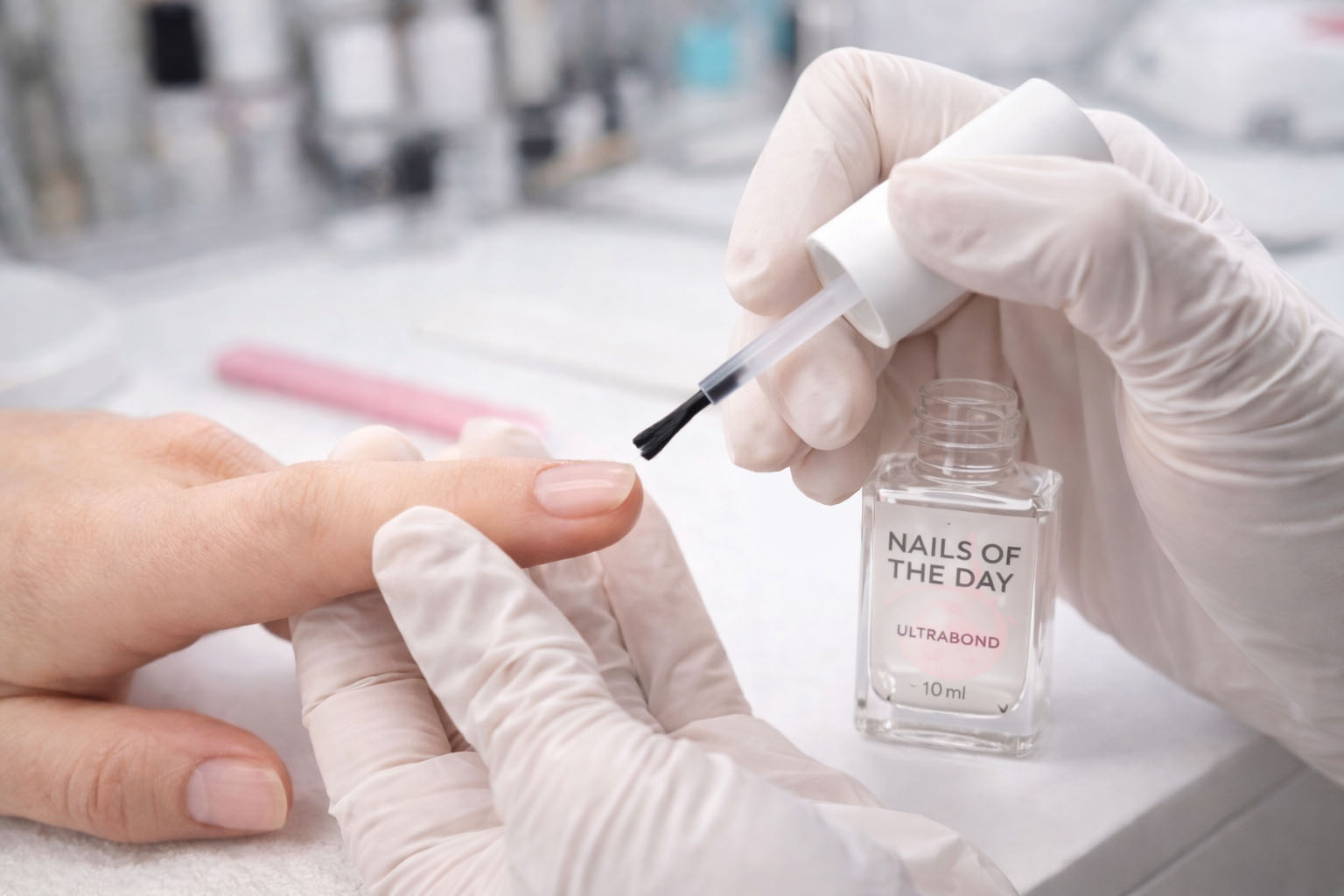
Primer is one of the key stages in preparing the nail plate, which directly affects adhesion and the stability of the coating wear. It is at this step that it is determined how securely the base or gel will "bond" with the natural nail and how predictable the result will be.
Why is a primer needed and how does it work
Primer enhances adhesion between the natural nail plate and the artificial material (base/gel). It is not a replacement for a dehydrator and does not compensate for preparation errors; however, when used correctly, it helps reduce the risk of lifting and increase the predictability of wear.
- Increases adhesion: ensures a more secure bond of the base/gel to the nail plate, reducing the likelihood of lifting.
- Applied in measured amounts: used in an ultra-thin layer, more often locally — in the cuticle zone, side sinuses, and stress zones, without excessively coating the entire plate.
- Relevant for “difficult” nails: especially useful with a tendency to lifting, increased humidity/oiliness of the plate, and regular load on hands.
- Fits into the sequence of preparation steps: preparation (manicure) → light buffing if necessary → degreasing/dehydrator → primer → base/gel/coating.
- Stabilizes the growth zone: helps reduce the risk of "undermining" at the cuticle, where the material most often starts to peel off.
Acid and acid-free: what is the difference
| Type | When to choose | Work peculiarities |
|---|---|---|
| Acid | Nails with frequent lifting, increased plate humidity, "difficult" wear | Apply exclusively in a thin layer, avoiding contact with the skin |
| Acid-free | Normal plate, sensitive nails, regular high-volume coatings | Provides softer adhesion and is comfortable for daily work |
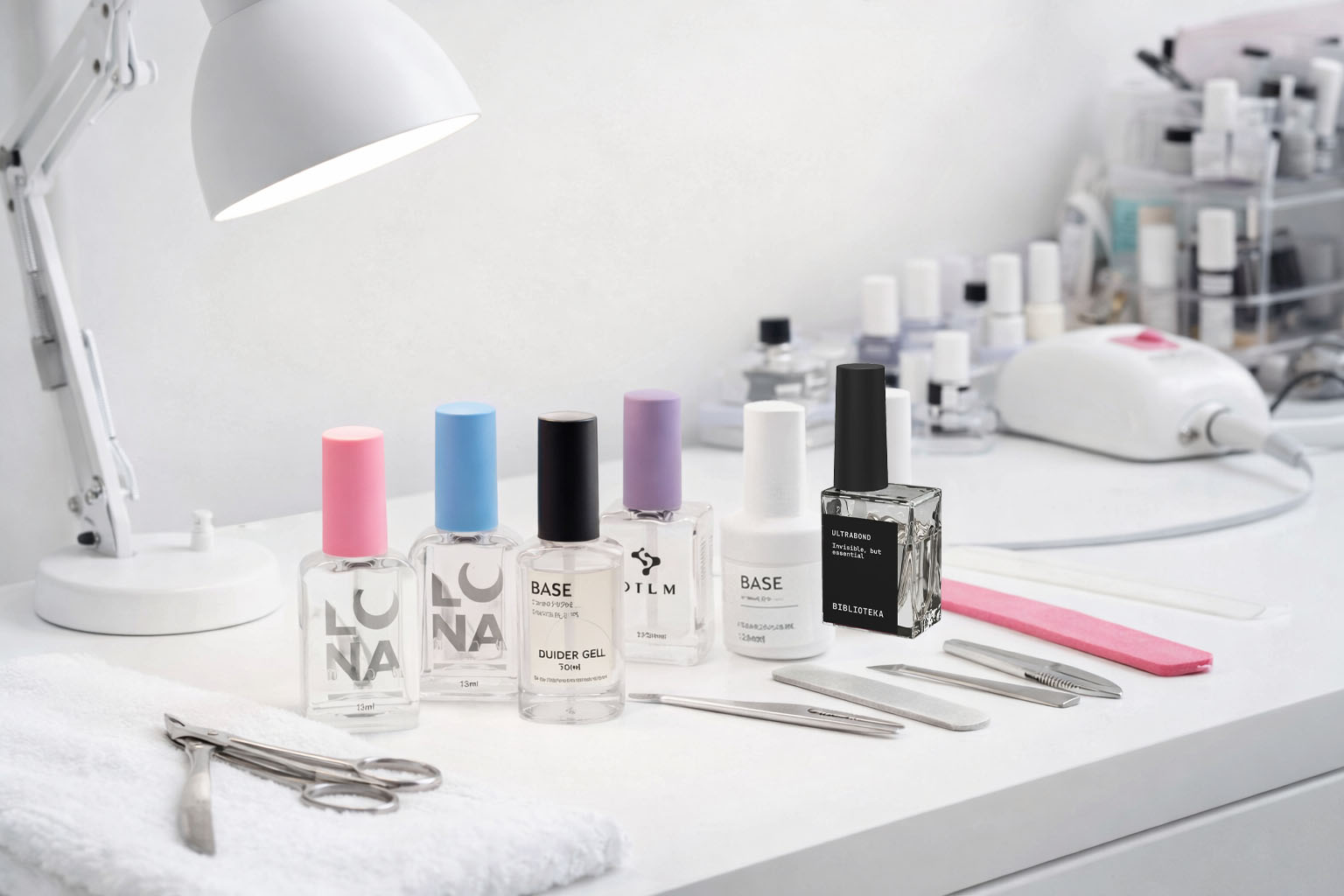
At Beauty Hunter, primers are presented in various formats, volumes, and types (acid, acid-free), which allows the technician to select a solution for the peculiarities of the nail plate and their own work algorithm.
Expert view from Beauty Hunter
Results in nail services are built on systematicity: clean preparation, honed application technology, and materials that work predictably. That is why we view the primer as a tool for adjusting adhesion — not an "obligatory step," but part of a system that helps the technician achieve stable wear on different types of nail plates.
Focus on repeatability: follow the sequence of steps, use the primer in measured amounts, and observe the manicure wear. This approach most quickly leads to stable results and the technician's confidence in any situation.
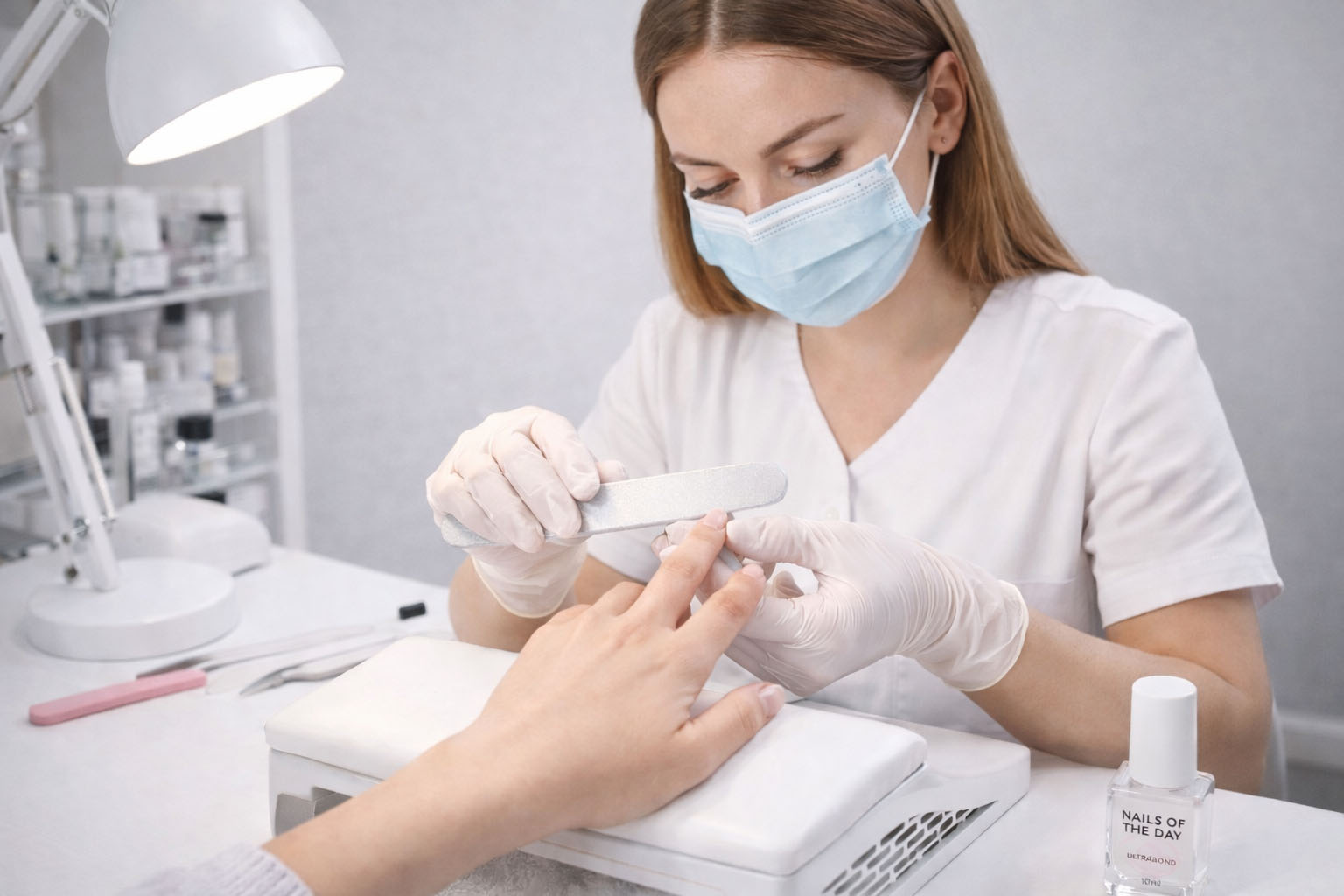
Beauty Hunter Team: "We believe in a simple thing: strong technicians grow where there is a systematic approach and high-quality selected materials. Our goal is not just to refill the shelf in the office, but to provide tools with which work becomes more stable and the result more confident."