We are often asked which pigments to choose for permanent makeup and tattooing. Today, we will tell you about the pigments available on the beauty market, the differences between mineral and organic pigments, how to work with each type, and which dyes are most in demand among permanent makeup artists.
Hello Beauty Hunters!
Currently, permanent makeup is at the peak of its popularity. It allows clients to stop worrying about regular eyebrow or lip tinting and simplifies their daily makeup routine as much as possible. With its help, one can build the correct architecture of the eyebrows or lips, correct asymmetry, and hide features such as scars and other imperfections.
You often ask us which pigments to choose for permanent makeup and tattooing. Today, we will tell you about the pigments available on the beauty market, the difference between mineral and organic pigments, how to work with each type, and which dyes are most in demand among permanent makeup artists.
Permanent makeup pigments are special pigmented compositions that are injected and stored in the upper layers of the skin using a permanent makeup needle (cartridge). The choice of pigment depends on the type of permanent makeup and the desired result.
Types of Permanent Makeup Pigments
According to their chemical composition, permanent makeup pigments can be:
- organic;
- hybrid;
- inorganic, also known as mineral.
You can achieve a beautiful, high-quality permanent result with any of the pigments mentioned above. The key is learning how to work with them correctly.
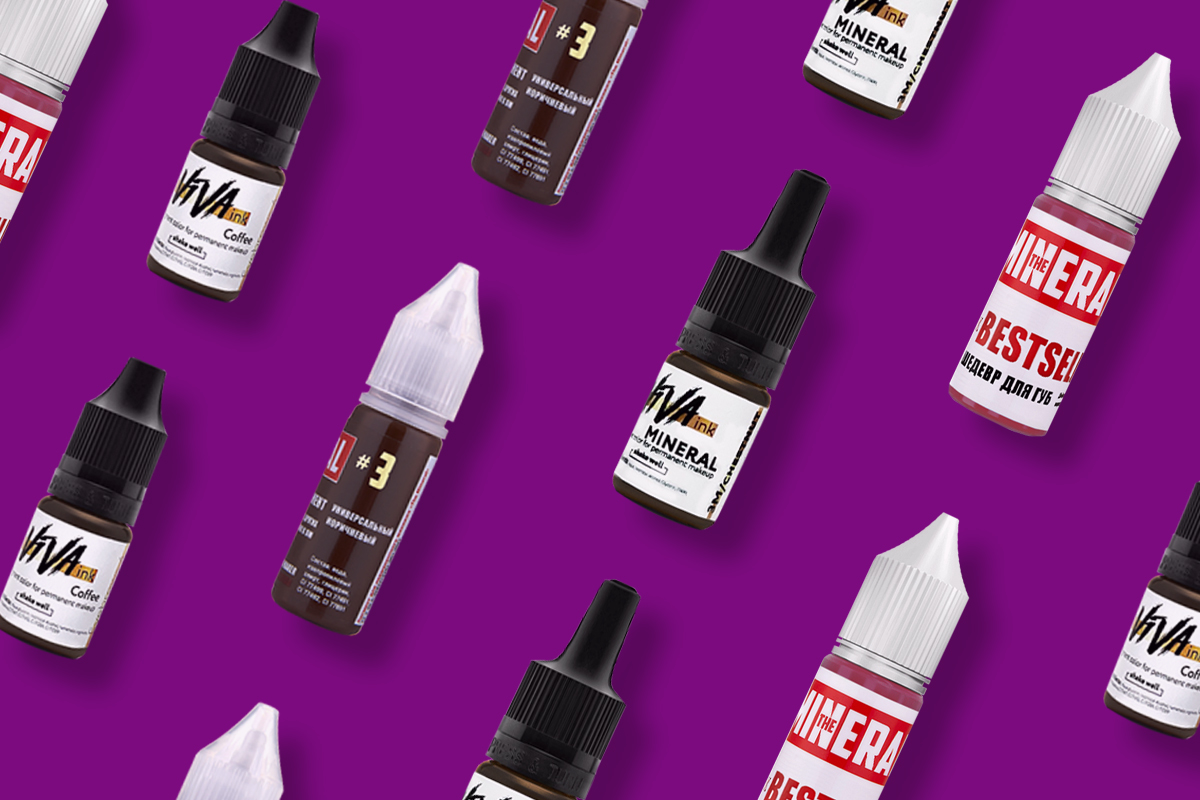
Organic PMU pigments are fine-dispersed dyes characterized by brightness, high tinting strength, and packing density. Despite the name, organic pigment is not essentially natural. It contains synthetic organic components that are safe and hypoallergenic.
These pigments are made on a water-alcohol base, which serves as a conductor for the pigment into the skin; because of this, the pigments are quite liquid and easy to apply. They are convenient to work with, and during the healing process, they leave a bright and high-contrast result even after the first procedure.
Mineral pigments (inorganic) are pigments based on iron oxides. Mineral pigments have a large dispersion, which makes it harder for the dye to enter the skin, meaning the PMU procedure takes more time and requires experience from the artist. The main advantage of mineral pigments is that they gradually lighten over time, becoming more transparent without color inversion, often fading away completely or leaving a barely noticeable residue.
Mineral pigments are made on a glycerin base, so they are often quite thick. If necessary, the thickness of the pigment can be controlled using a special diluent. This will make the pigment more liquid and convenient for coverage or make the shade lighter and more transparent in the skin.
Hybrids or hybrid pigments contain both organic and mineral components in approximately equal proportions. These pigments are applied softly, like organics, but fade gently over 1-2 years during healing, like minerals.
Interesting fact: Purely organic pigments do not exist in nature. Mineral components are always present in the composition of such dyes. If you look at the pigment's Color Index, you may find components with a numerical designation of 77—this indicates the presence of a mineral component in the formula.
What is the Difference Between Mineral and Organic Pigments?
In addition to basic differences in composition and practical application, there are simple methods to easily distinguish organic pigments from mineral ones:
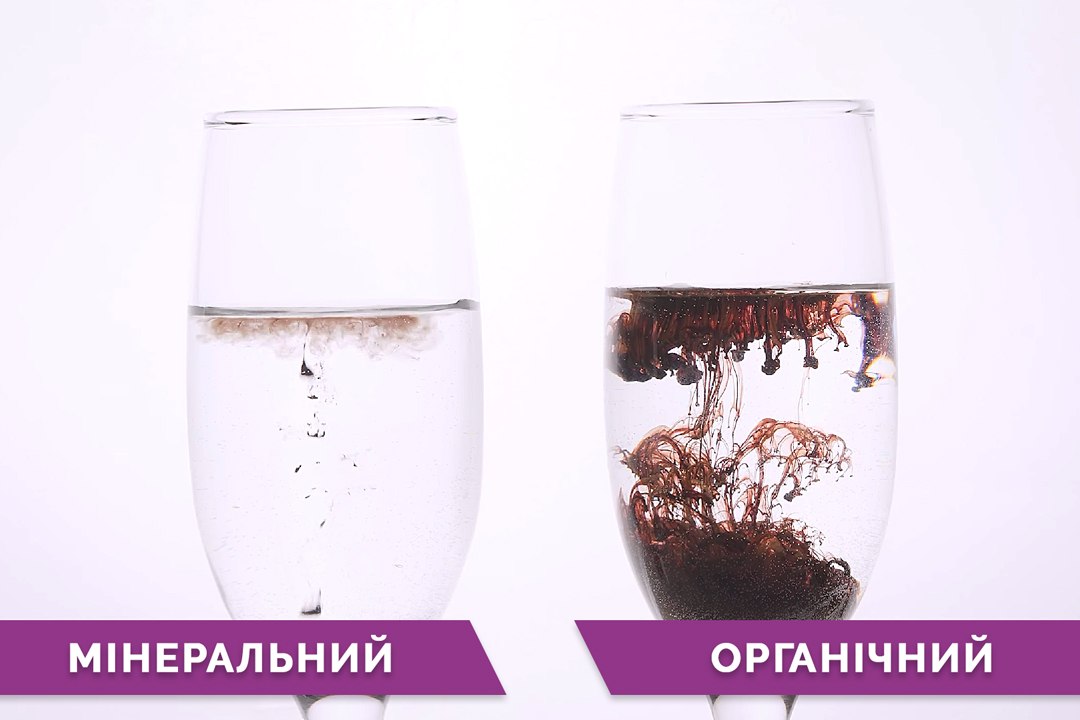
- When organic pigment hits water, the drop spreads instantly. If you make a swatch on the skin of your hand or on paper, you will see a spot with a characteristic gasoline-like sheen.
- Mineral pigments, when dropped into water, immediately sink to the bottom as a solid drop, barely spreading. If you apply the dye to the skin or paper, it creates a velvety matte print.
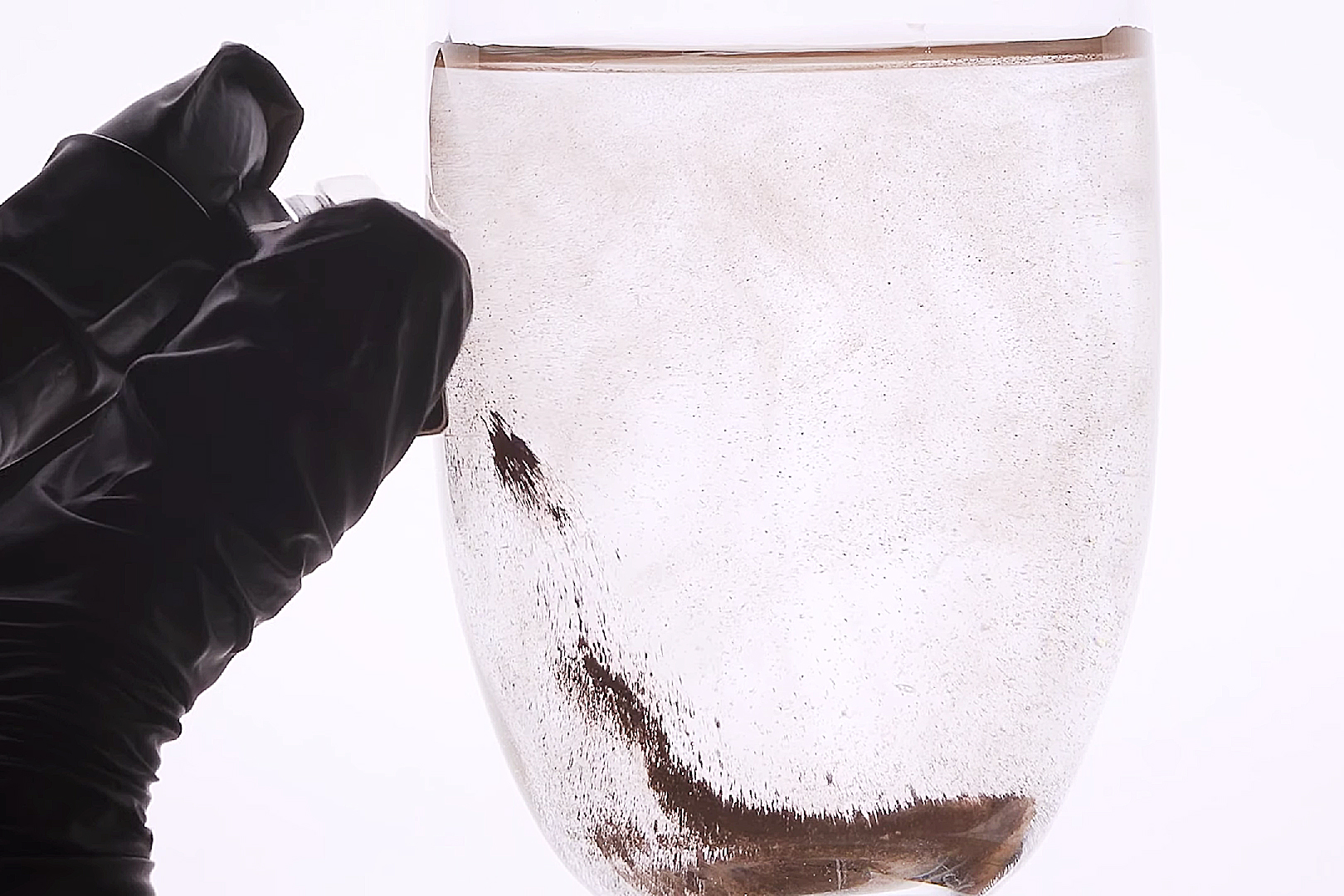
- Mineral pigments can also be identified using a magnet. If you hold a magnet to a glass of water where such a pigment is diluted, the mineral pigment will begin to be attracted to the magnet, accumulating in certain areas.
How to Work with Organic Pigments
Due to their structure, each type of pigment has its own specifics in application.
Organic pigments are suitable for any permanent makeup technique. The main rule when working with such a pigment is not to apply it too densely, aiming for superficial work. They are fine-dispersed and pack tightly into the skin, so they must be worked with lightly and superficially, without applying strong pressure with the needle on the skin. Otherwise, after a few years, the permanent makeup may shift to a cold shade, and if the pigment needs to be removed with a laser, there is a chance the dye will shift to an orange or orange-red undertone. Therefore, such brows are best treated initially with a special PMU remover.
How to Work with Mineral Pigments
Mineral pigments can be used on any type of client's skin. They have a larger dispersion, making the pigment harder to pack into the skin during the procedure. This procedure will take more of your time, and during application, you will need more effort and stronger needle pressure. The main rule of work is to pack the dye slowly and carefully, densely working through the permanent makeup zone.
To make working with mineral pigments more comfortable, use a few drops of pigment diluent. It will help make the pigment texture more liquid and, if necessary, make the shade more transparent.
TOP Pigments for Permanent Makeup
The permanent makeup market now offers a wide range of pigments from various brands. Here is our personal TOP list of pigments that are popular among professional permanent makeup and tattoo artists:
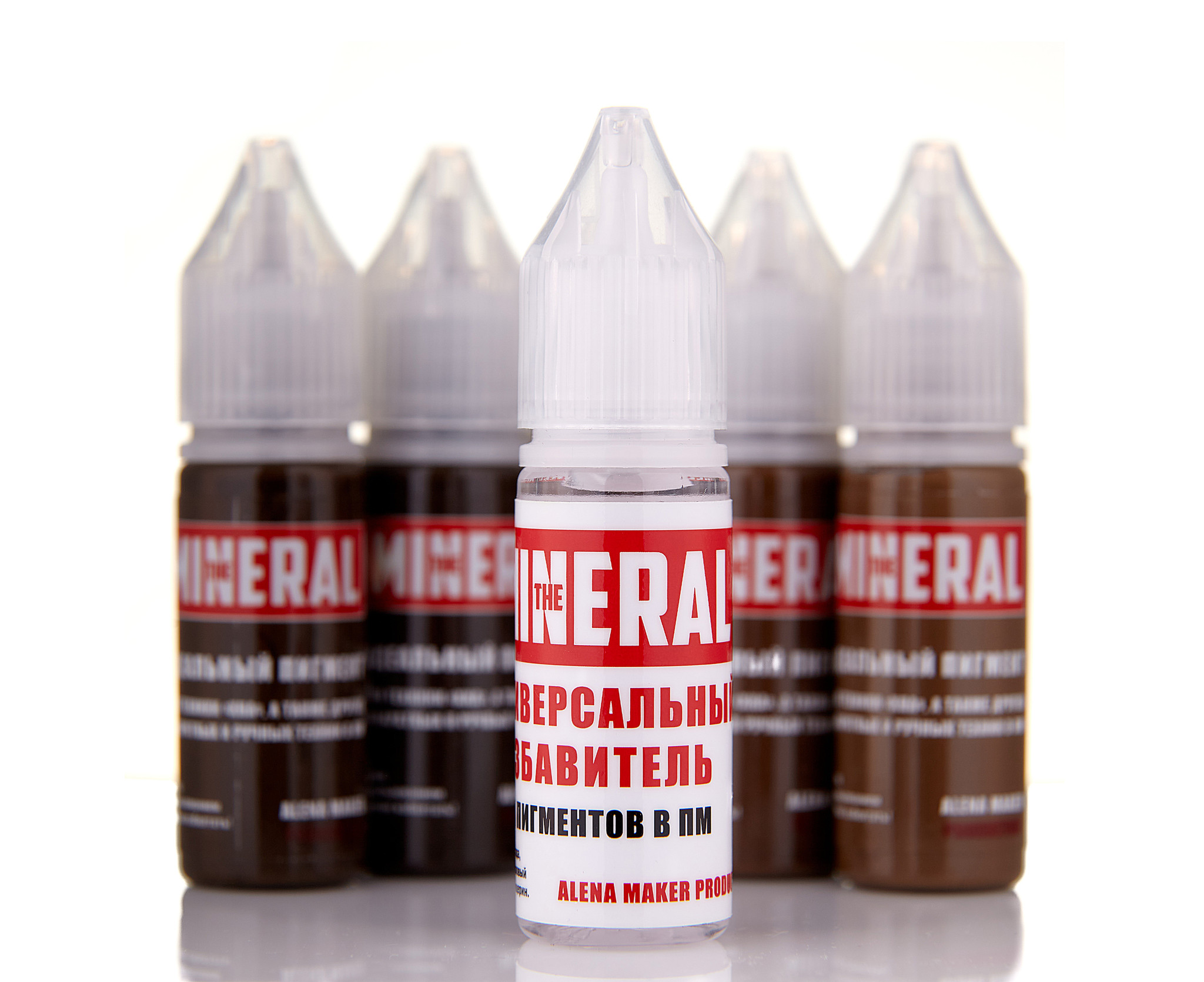
- The Mineral Pigments — these are mineral pigments with relatively easy application and a simple, universal shade palette. During healing, the colors do not distort and maintain their purity, and when choosing a shade, you can rely on its name — that is exactly how it will appear on the skin.
- Viva Hybrid Pigments — American pigments that provide dense coverage and a rich palette of shades for permanent makeup of the eyebrows, lips, and eyelids. After healing, the shades remain highly stable, so the need for correction is often absent.
- Viva Mineral Pigment Series. This is a highly concentrated mineral dye with a natural color palette that allows for the most natural result in eyebrow or lip permanent makeup. After healing, Viva pigment retains up to 90% of its color.
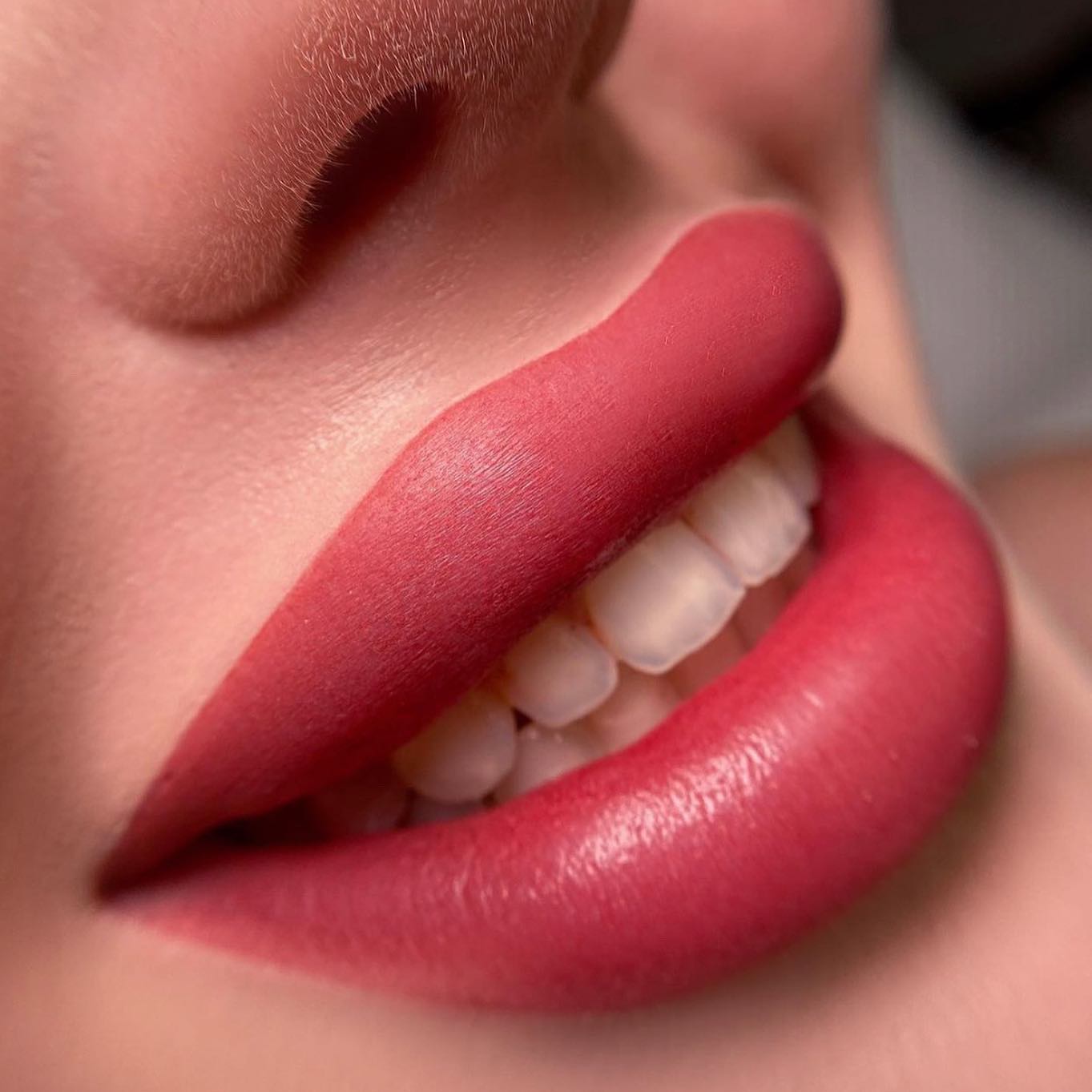
- The Mineral Bestseller Lip Shade — this is a special favorite, a universal shade for lip permanent makeup that suits absolutely everyone! This pigment allows you to both emphasize the lip contour and provide a light tint, as well as achieve a rich, dense result — it all depends on the application density.
That’s all from us! For those interested in learning more about permanent makeup pigments, visit the Beauty Hunter YouTube channel for a pigment review by Anya Sobakina. And don't forget to like and subscribe.
Your Beauty Hunter!